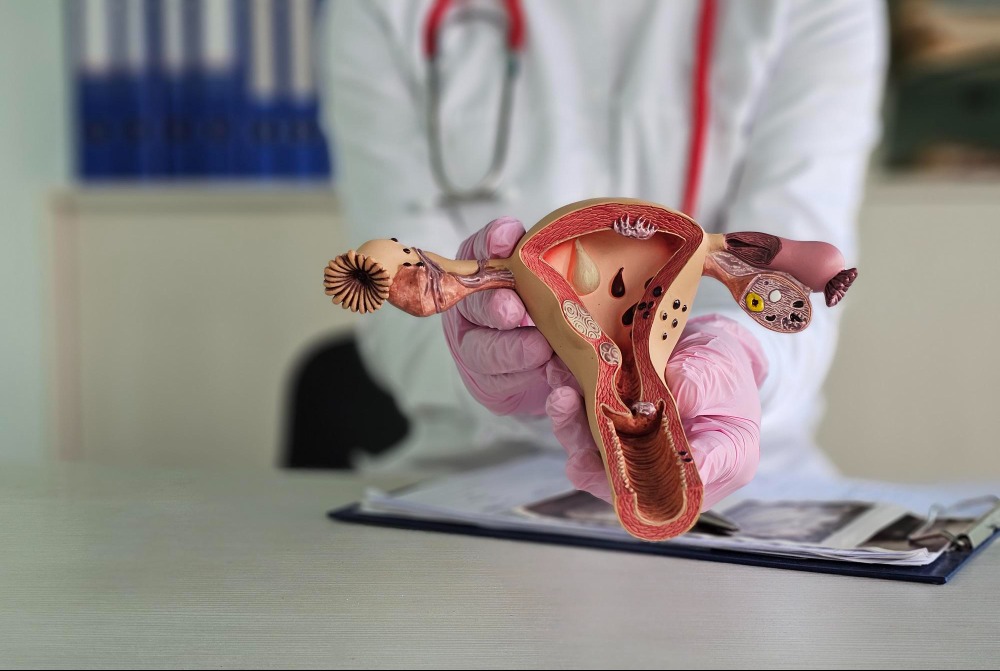
Myomectomy surgery removes uterine fibroids while preserving the uterus. It may be considered by women who want to retain the possibility of pregnancy or prefer not to undergo hysterectomy. However, selecting myomectomy requires careful assessment of the fibroids and a realistic discussion about benefits, recovery, recurrence and future pregnancy.
Who May Be Considered for Myomectomy?
Myomectomy may be appropriate when fibroids cause:
- Heavy or prolonged menstrual bleeding
- Iron-deficiency anaemia
- Pelvic pain or pressure
- Bladder or bowel pressure
- Distortion of the uterine cavity
- Fertility or pregnancy-related concerns
- Symptoms that continue despite appropriate medical treatment
Not every fibroid requires removal. The surgeon should determine whether the fibroid is likely to be causing the symptoms and whether surgery offers greater benefit than medication or observation.
Which Type of Myomectomy May Be Recommended?
The surgical approach depends on the size, number and location of the fibroids.
Hysteroscopic Myomectomy
Fibroids projecting into the uterine cavity may be removed through the cervix using a hysteroscope. No abdominal incision is required. Large or deeply embedded fibroids may occasionally require more than one procedure.
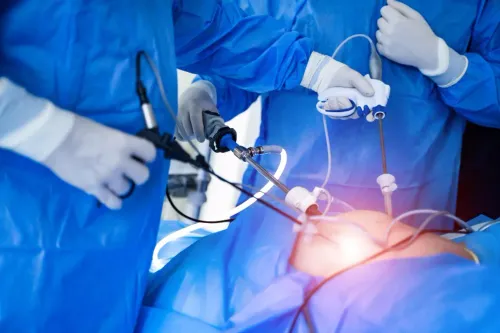
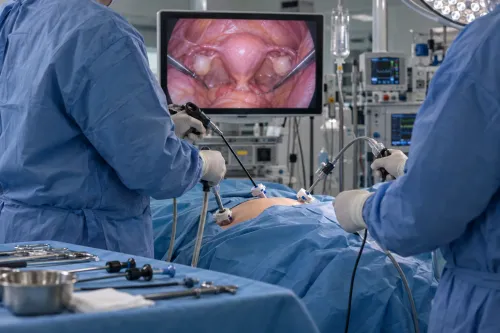
Laparoscopic Myomectomy
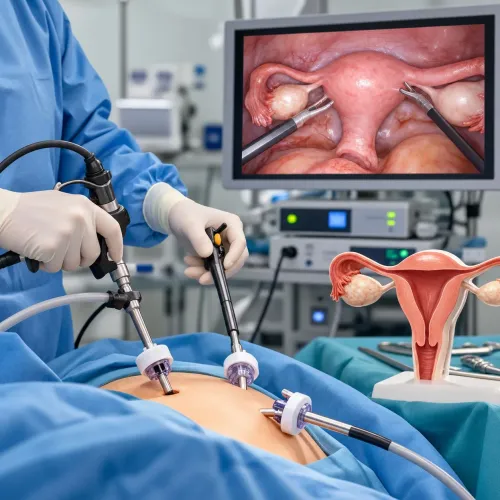
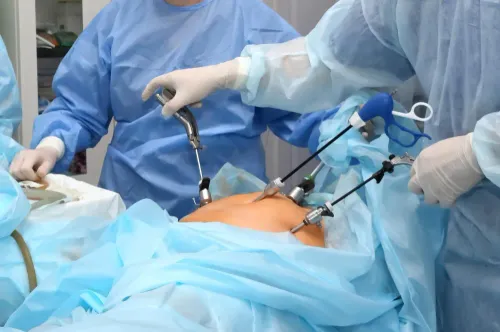
Selected fibroids can be removed through small abdominal incisions. The surgeon opens the uterine muscle, removes the fibroid and carefully repairs the uterus.
Suitability depends on the number, depth and position of the fibroids as well as the complexity of the required uterine reconstruction.
Open Abdominal Myomectomy
An abdominal incision may be recommended for numerous, very large or technically complex fibroids. Recovery is generally longer than after minimally invasive surgery, but an open procedure may offer the safest access in certain cases.
Questions to Ask Before Myomectomy
Women considering myomectomy surgery should ask:
- Which fibroids are causing my symptoms?
- Which fibroids will be removed?
- Why is this surgical route recommended?
- Could the operation require an open incision?
- What is the expected amount of blood loss?
- How will bleeding be controlled?
- How may surgery affect a future pregnancy?
- How long should I wait before trying to conceive?
- Could a caesarean delivery be recommended?
- What is the possibility of fibroids returning?
Fibroids can have a substantial blood supply, making preoperative planning important. Anaemia should be diagnosed and treated whenever possible before elective surgery.
Does Myomectomy Guarantee Pregnancy?
No. Removing a fibroid does not guarantee that pregnancy will occur. Age, ovarian reserve, ovulation, fallopian-tube health and the partner’s fertility assessment may also influence conception.
Fibroids that distort the uterine cavity may have greater reproductive significance than some fibroids located on the outer surface. Surgery should therefore be recommended according to the complete fertility picture.
Can Fibroids Return After Surgery?
Because the uterus remains in place, new fibroids can develop and very small fibroids left behind may grow later. Recurrence does not necessarily mean that the operation was unsuccessful, but women should understand this possibility before treatment.
Women considering myomectomy surgery in Bangalore can consult Dr Rajani Vaidya for an assessment based on their symptoms, imaging findings and reproductive plans. Her experience in gynaecology and laparoscopic surgery can help determine whether hysteroscopic, laparoscopic or open myomectomy is appropriate.
Myomectomy is most valuable when it treats clinically relevant fibroids while preserving the uterus safely. A woman is ready to proceed when she understands why surgery is being recommended, what it can realistically achieve and how it may affect recovery, recurrence and future pregnancy.
Keywords