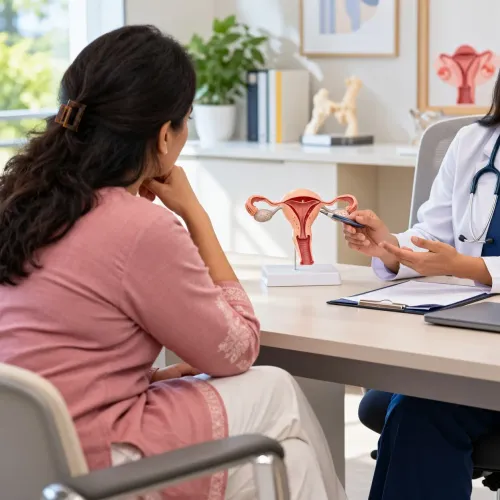
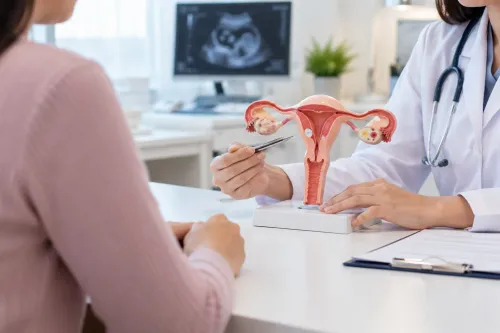
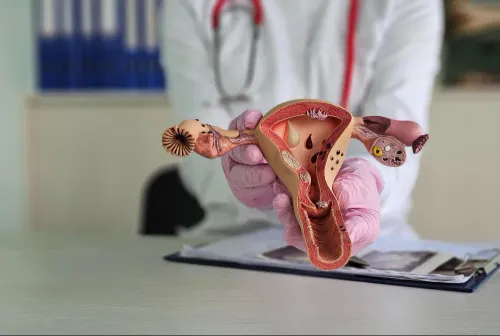
Period pain is common, but pain that repeatedly interferes with work, sleep, education, exercise or relationships should not be dismissed as something every woman must tolerate. Endometriosis is a chronic condition in which tissue similar to the uterine lining grows outside the uterus. Endometriosis treatment focuses on controlling symptoms, supporting fertility goals and improving quality of life.
Symptoms Can Extend Beyond Painful Periods
Endometriosis does not affect every woman in the same way. Some experience severe symptoms despite limited visible disease, while others have extensive endometriosis with relatively mild discomfort. The intensity of pain does not always indicate how advanced the condition may be.
Possible symptoms include:
- Severe menstrual pain
- Persistent pelvic or lower-back pain
- Pain during or after intercourse
- Painful bowel movements during periods
- Pain while passing urine during periods
- Heavy or irregular bleeding
- Difficulty conceiving
- Cyclical bloating or digestive symptoms
- Fatigue that worsens around menstruation
These symptoms can overlap with adenomyosis, ovarian cysts, pelvic infections, irritable bowel syndrome and urinary conditions. Recording symptoms in relation to the menstrual cycle can help identify useful patterns.
How Is Endometriosis Evaluated?
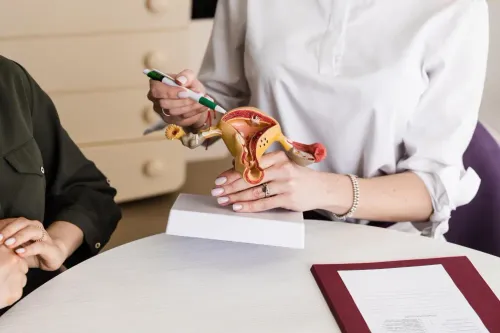
Evaluation begins with a detailed discussion about pain, periods, bowel and bladder symptoms, previous pregnancies and fertility plans. A pelvic examination may be recommended depending on the woman’s symptoms.
Ultrasound can identify ovarian endometriomas and some forms of deep endometriosis. However, a normal ultrasound does not always exclude the condition. MRI may be helpful when detailed mapping is needed before treatment.
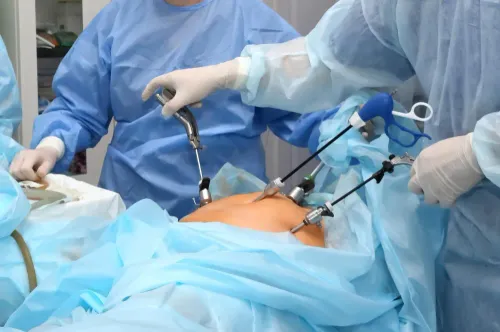
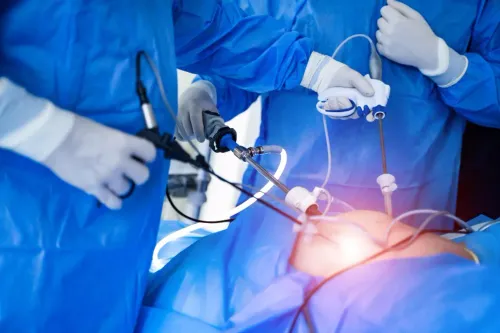
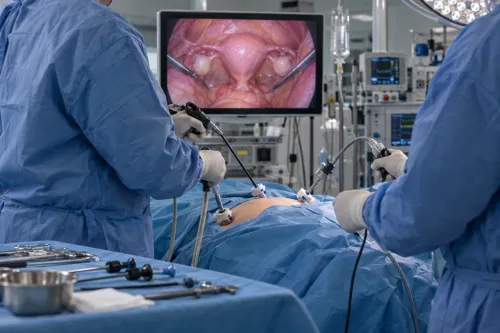
Laparoscopy allows direct examination of the pelvis and may permit treatment of visible endometriosis during the same procedure. However, surgery is not automatically required before every woman can begin symptom-based medical management.
How Can Endometriosis Be Managed Without Surgery?
Pain-relieving medicines may help manage discomfort. Hormonal treatments can reduce or suppress menstruation and may control endometriosis-related symptoms.
The most appropriate option depends on the woman’s medical history, possible side effects and whether pregnancy is currently desired. Hormonal therapies used to suppress endometriosis also prevent conception while they are being taken.
Medical management can control symptoms, but it does not necessarily provide a permanent cure. Symptoms may return after treatment is discontinued.
When May Surgery Be Considered?
Surgery may be discussed when:
- Pain continues despite appropriate medical treatment
- An ovarian endometrioma requires management
- Deep endometriosis may be affecting nearby organs
- The diagnosis remains uncertain
- Fertility-related factors support surgical treatment
- Symptoms significantly affect daily life
Laparoscopic surgery may involve removing endometriosis lesions, releasing adhesions and treating ovarian endometriomas. Complex disease can involve the bowel, bladder or ureters, so careful surgical planning may be required.
Protecting healthy ovarian tissue is particularly important when operating on an endometrioma in a woman who wishes to conceive.
Treatment Should Reflect Personal Priorities
A woman seeking pain relief may need a different treatment plan from someone actively trying to become pregnant. Age, ovarian reserve, duration of infertility, previous operations and the partner’s fertility evaluation can all influence the decision.
Women looking for endometriosis treatment in Bangalore can consult Dr Rajani Vaidya for an assessment based on their symptoms, imaging findings and reproductive goals. Medical and laparoscopic options can then be considered according to the individual situation.
Endometriosis is a long-term condition, and symptoms can sometimes recur even after surgery. Effective care may therefore involve ongoing symptom management, hormonal treatment where appropriate, fertility planning and regular follow-up. Persistent menstrual or pelvic pain deserves proper evaluation, even when an initial scan appears normal.
Keywords