Uterine fibroids are non-cancerous growths that develop from the muscular tissue of the uterus. Some remain small and never cause noticeable problems, while others can lead to heavy periods, pelvic pressure, pain, anaemia or difficulty conceiving. Understanding how fibroid treatment is selected can help women make informed decisions without assuming that every fibroid requires surgery.
What Symptoms Can Fibroids Cause?
The effect of a fibroid depends on its size, number and position. A small fibroid growing inside the uterine cavity may cause more menstrual bleeding than a larger fibroid located on the outer surface of the uterus.
Common symptoms can include:
- Heavy or prolonged menstrual bleeding
- Passing large blood clots
- Pelvic pressure or abdominal fullness
- Lower abdominal or back pain
- Frequent urination
- Constipation
- Pain during intercourse
- Difficulty conceiving
- Tiredness, dizziness or breathlessness due to anaemia
These symptoms can also occur with endometriosis, adenomyosis, ovarian conditions or hormonal changes. A proper gynaecological assessment is therefore necessary before assuming that fibroids are responsible.
How Are Fibroids Diagnosed?
Evaluation usually begins with a discussion about menstrual patterns, pain, pregnancy history, previous treatment and future fertility plans. A pelvic examination may be followed by an ultrasound to identify the number, size and location of the fibroids.
Blood tests may be recommended when heavy bleeding raises concern about iron-deficiency anaemia. In selected cases, MRI can provide more detailed information before surgery. Hysteroscopy may be considered when a fibroid is suspected inside the uterine cavity.
The size of a fibroid is only one part of the assessment. Treatment decisions may also depend on:
- The severity of symptoms
- The fibroid’s position in the uterus
- Whether the uterine cavity is affected
- The woman’s age
- Future pregnancy plans
- Previous medical or surgical treatment
- Overall health and associated conditions
- Changes noticed during follow-up
Does Every Fibroid Require Treatment?
No. Fibroids that are not causing meaningful symptoms can often be monitored. Periodic clinical reviews or repeat imaging may be recommended according to the woman’s age, symptoms and individual findings.
Treatment becomes more relevant when heavy bleeding causes anaemia, pain affects daily activities, pressure symptoms become uncomfortable or a fibroid may be interfering with fertility.
Sudden severe pelvic pain, extremely heavy bleeding, fainting or significant weakness requires prompt medical evaluation. New bleeding after menopause should also be investigated rather than automatically attributed to an existing fibroid.
What Fibroid Treatment Options Are Available?
Treatment is selected according to the symptoms and the woman’s reproductive goals.
Medication may be used to manage heavy bleeding, menstrual pain or anaemia. Hormonal and non-hormonal options may provide symptom relief, although medicines do not always remove the fibroid permanently.
A hysteroscopic procedure may be suitable for certain fibroids that project into the uterine cavity. The procedure is performed through the cervix without abdominal incisions.
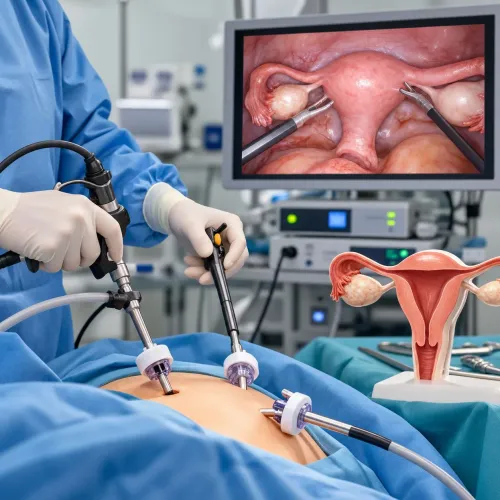
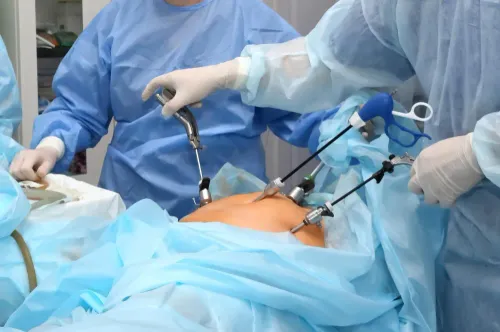
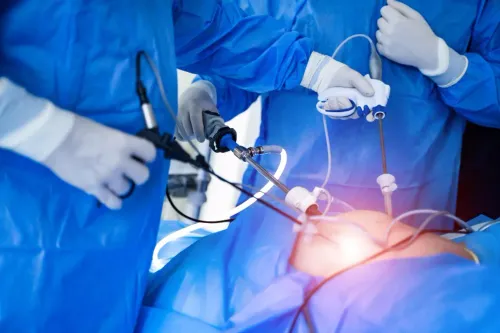
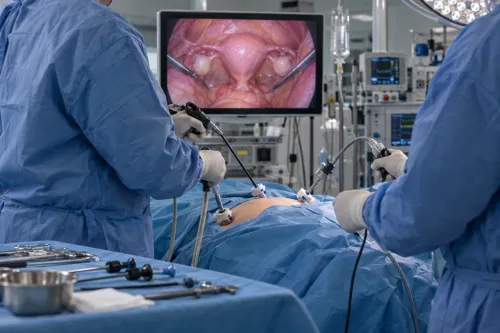
Myomectomy removes one or more fibroids while preserving the uterus. Depending on the number, size and location of the fibroids, it may be performed hysteroscopically, laparoscopically or through open surgery. Fibroids can develop again after myomectomy because the uterus remains in place.
Hysterectomy removes the uterus and offers definitive treatment for fibroids. However, it permanently ends the possibility of carrying a pregnancy and is generally considered only after symptoms, alternatives and personal preferences have been carefully discussed.
Why Must Treatment Be Personalised?
Two women with fibroids of similar size may require completely different treatment plans. One may have no symptoms and only need observation. Another may experience severe bleeding because a fibroid is distorting the uterine cavity.
Women seeking fibroid treatment in Bangalore can consult Dr Rajani Vaidya for an individual assessment. As a gynaecologist and laparoscopic gynec surgeon, she can evaluate the relationship between the fibroids, symptoms, overall health and future pregnancy plans before discussing suitable medical or surgical options.
The most appropriate fibroid treatment is not automatically the most aggressive procedure. It is the option that addresses the woman’s symptoms while respecting her health, preferences and reproductive priorities. A detailed assessment helps distinguish fibroids that can be safely monitored from those that may benefit from active treatment.
Keywords