When pregnancy does not occur as expected, couples may assume they need IVF immediately. In reality, infertility treatment should begin with understanding the factors that may be delaying conception. A structured evaluation of both partners can prevent unnecessary treatment and help identify an appropriate next step.
Infertility evaluation is generally recommended after 12 months of regular, unprotected intercourse when the female partner is younger than 35. When she is 35 or older, evaluation is commonly advised after six months. Earlier assessment may be appropriate when periods are irregular, the woman is over 40 or either partner has a known reproductive concern.
Why Should Both Partners Be Evaluated?
Infertility is not exclusively a female health issue. Contributing factors may arise from the woman, the man, both partners or remain unexplained after standard evaluation.
An initial assessment generally includes a detailed reproductive and medical history for both partners. Semen analysis is commonly advised for the male partner because it can provide important information early in the evaluation.
The woman’s assessment may explore:
- Menstrual regularity and ovulation
- Previous pregnancies and miscarriages
- Pelvic infections or operations
- Endometriosis, fibroids or ovarian cysts
- Long-term health conditions
- Current medicines
- Uterine and fallopian-tube health
- Age-related fertility considerations
Which Tests May Be Recommended?
Tests should be selected to answer specific clinical questions. Hormone tests may be advised to assess ovulation, thyroid function or other relevant factors.
Ovarian reserve testing can provide information that helps with treatment planning, but it cannot independently confirm whether natural pregnancy is possible. Results should be interpreted alongside age, menstrual history, ultrasound findings and other reproductive factors.
Ultrasound may be used to evaluate:
- The uterus and uterine lining
- Ovaries and developing follicles
- Fibroids or uterine abnormalities
- Ovarian cysts
- Signs associated with endometriosis
- Polycystic ovarian changes
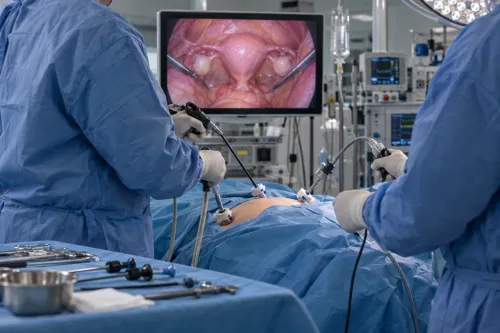
The fallopian tubes may be assessed through an appropriate contrast test. Hysteroscopy or laparoscopy is generally considered when symptoms, imaging or previous history provide a specific clinical reason.
How Is Infertility Treatment Selected?
Treatment depends on the identified cause, the woman’s age, duration of infertility and previous treatment. Available options may include:
- Ovulation tracking and timed intercourse
- Medication to support or induce ovulation
- Intrauterine insemination
- Treatment of selected uterine abnormalities
- Surgery for particular ovarian, tubal or pelvic conditions
- In-vitro fertilisation
- Intracytoplasmic sperm injection when indicated
Every couple does not need to progress through all these stages. For example, a woman with irregular ovulation may initially benefit from ovulation-focused treatment. A uterine polyp or selected fibroid may require attention when it affects the uterine cavity. Significant tubal disease may lead to an entirely different plan.
Questions to Ask Before Starting Treatment
Couples can ask:
- What factors are most likely delaying conception?
- Have both partners been evaluated?
- Which tests are essential at this stage?
- What is the purpose of the recommended treatment?
- Are less intensive options reasonable?
- How will progress be reviewed?
- When should the treatment plan change?
- Are fibroids, cysts or endometriosis affecting fertility?
Women seeking infertility treatment in Bangalore can consult Dr Rajani Vaidya for an evaluation of gynaecological and reproductive factors that may influence conception. When assisted reproductive treatment is required, coordinated care with an appropriate fertility team may be considered.
No ethical infertility treatment can guarantee pregnancy. A responsible plan explains the likely diagnosis, available options, limitations and time-related factors. This allows couples to make informed decisions rather than beginning advanced treatment without understanding why it has been recommended.
Keywords