An ovarian cyst is a fluid-filled or partly solid structure that develops in or on an ovary. Many cysts form as part of the normal menstrual cycle and disappear without treatment. Others require closer evaluation because of their size, appearance, persistence or associated symptoms. Ovarian cyst treatment therefore begins with identifying the likely type of cyst.
Are All Ovarian Cysts Dangerous?
No. Functional cysts are common during the reproductive years. They can develop when a follicle does not release an egg or does not shrink normally after ovulation. These cysts are usually benign and may resolve within one or more menstrual cycles.
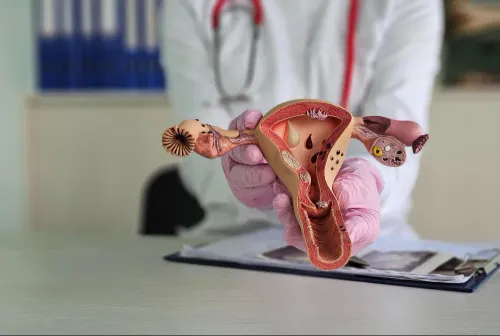
Other types include:
- Endometriomas associated with endometriosis
- Dermoid cysts containing different tissue types
- Cystadenomas developing from ovarian tissue
- Haemorrhagic cysts containing blood
- Complex ovarian masses requiring further evaluation
The word “cyst” describes an imaging finding. It does not provide a complete diagnosis or automatically mean that surgery is necessary.
Which Ultrasound Findings Are Important?
A gynaecologist evaluates more than the measurement of the cyst. Important considerations include whether it is:
- Simple or complex
- Filled with fluid or partly solid
- Located on one or both ovaries
- Associated with internal partitions or projections
- Changing on follow-up scans
- Causing pain or pressure
- Present before or after menopause
Age, menstrual status, pregnancy plans, symptoms and family history can also influence the assessment. Blood tests may be recommended in selected cases, but they should be interpreted together with the clinical and ultrasound findings.
When Can an Ovarian Cyst Be Monitored?
A small, simple cyst in a woman who has not reached menopause can often be monitored, particularly when it is not causing significant symptoms. A follow-up ultrasound may be advised to confirm whether the cyst has reduced in size or disappeared.
Observation may not be appropriate when a cyst persists, increases in size, develops complex features or causes continuing discomfort. Cysts identified after menopause require careful assessment because age changes the clinical context.
Which Symptoms Require Prompt Attention?
An ovarian cyst may cause:
- One-sided pelvic discomfort
- Lower abdominal pressure
- Bloating or fullness
- Pain during intercourse
- Changes in menstrual patterns
- Frequent urination due to pressure
Sudden severe pelvic pain requires urgent medical evaluation, especially when accompanied by vomiting, faintness, fever or abdominal swelling. These symptoms may occur with ovarian torsion, cyst rupture, internal bleeding or another acute condition.
What Does Treatment Involve?
Treatment can range from observation and symptom management to surgical removal. When surgery is appropriate, the objective may be to remove the cyst while preserving as much healthy ovarian tissue as possible. This is particularly important for women who wish to protect fertility.
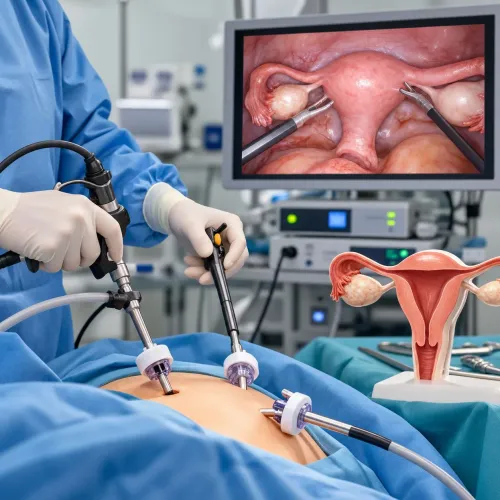
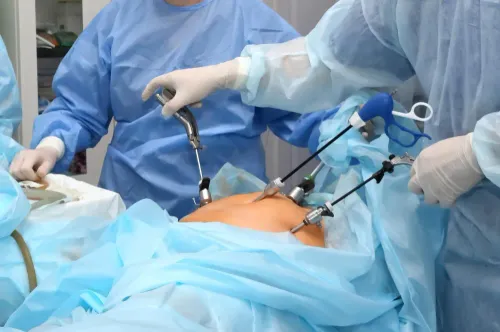
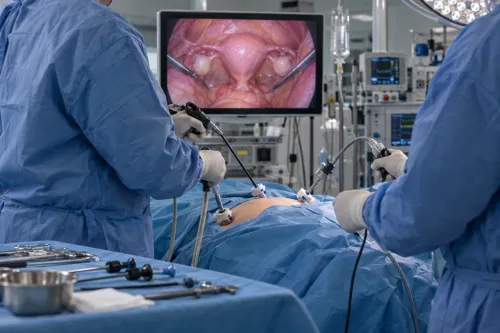
Laparoscopic surgery may be suitable for selected ovarian cysts. Open surgery may be recommended when a mass is very large, technically complex or has findings that require more cautious removal.
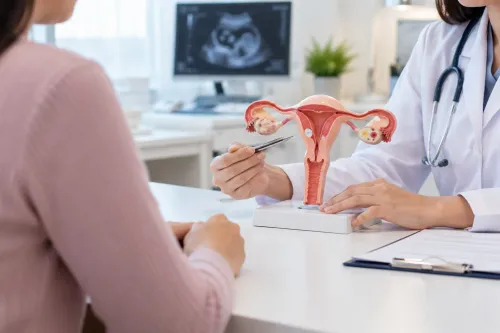
Women seeking ovarian cyst treatment in Bangalore can consult Dr Rajani Vaidya for a detailed gynaecological evaluation. Reviewing current and previous ultrasound reports can help determine whether the cyst is resolving, stable or changing.
Most ovarian cysts are not cancerous, but reassurance should follow proper assessment rather than assumption. Individualised care can avoid unnecessary surgery for harmless functional cysts while ensuring that persistent, symptomatic or suspicious ovarian masses receive appropriate attention.
Keywords