Changes in menstrual patterns are sometimes easy to dismiss, especially during busy stages of life. However, persistent spotting between periods, unusually heavy bleeding, or bleeding after menopause may indicate an underlying condition such as uterine polyps.
Uterine polyps are growths that develop within the lining of the uterus. Most are non-cancerous, but they can cause symptoms that affect reproductive health and quality of life. In some cases, polyps may also contribute to fertility challenges or recurrent pregnancy loss.
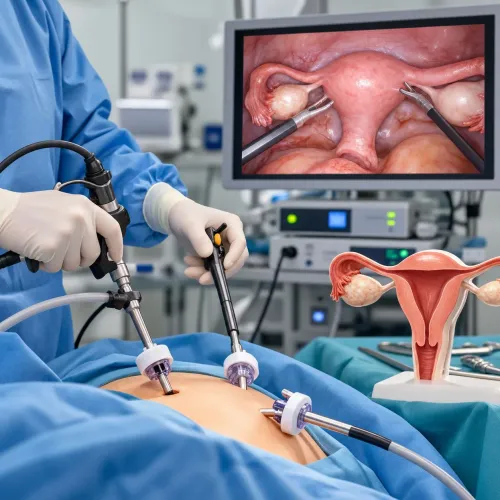
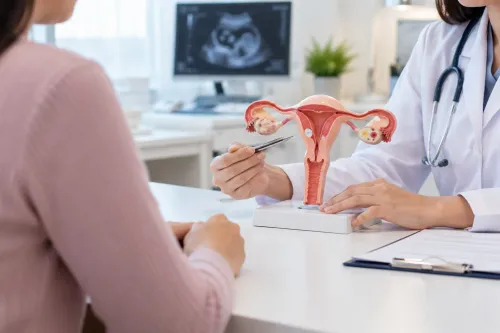
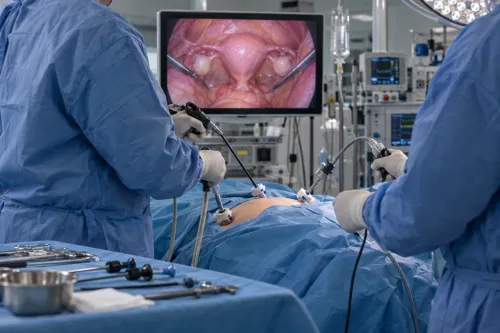
Because symptoms often overlap with other gynecological conditions, accurate diagnosis is essential. Ultrasound imaging, hysteroscopy, and clinical evaluation help determine the size, location, and significance of uterine polyps.
Awareness of preventive gynecological care is increasing among women in Bangalore, leading more patients to seek evaluation for abnormal bleeding patterns rather than assuming they are temporary hormonal changes.
Dr Rajani Vaidya emphasizes that early assessment plays a key role in identifying uterine abnormalities before they lead to more significant complications. Timely treatment often helps improve symptoms and supports better reproductive health outcomes.
Treatment recommendations depend on factors such as age, symptoms, fertility goals, and the characteristics of the polyp itself. Some cases require monitoring, while others may benefit from minimally invasive removal procedures.
If you've noticed unexplained bleeding, menstrual irregularities, or fertility concerns, consulting Dr Rajani Vaidya in Bangalore can help determine whether uterine polyps or another underlying condition may be contributing to your symptoms.
Keywords