Advances in surgical technology have transformed the way many gynecological conditions are treated. Procedures that once required large abdominal incisions and lengthy hospital stays can now often be performed using small incisions with quicker recovery times. This approach, known as Minimally Invasive Gynec Surgery, has become an important part of modern women's healthcare.
Whether treating fibroids, ovarian cysts, endometriosis, or other gynecological conditions, minimally invasive surgery offers several benefits while maintaining high standards of safety and precision. Women in Bangalore and throughout Karnataka are increasingly exploring these options after understanding how they compare with traditional surgery.
What Is Minimally Invasive Gynec Surgery?
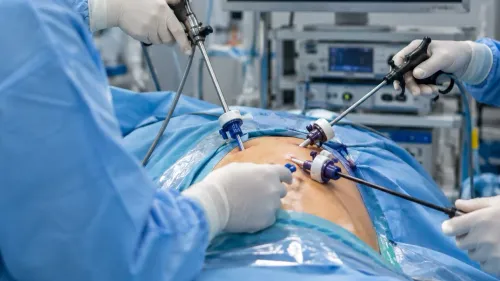
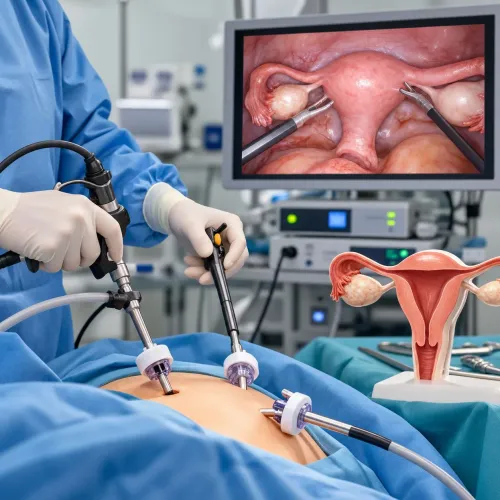
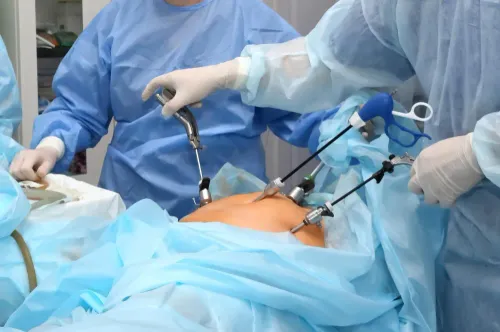
Minimally invasive gynecological surgery uses specialized instruments and advanced imaging to perform procedures through very small incisions.
Depending on the condition being treated, this may include:
- Laparoscopic surgery
- Hysteroscopic surgery
- Advanced minimally invasive techniques for complex procedures
These approaches allow surgeons to operate with excellent visualization while reducing trauma to surrounding tissues.
Conditions Commonly Treated
Many gynecological problems can now be managed using minimally invasive techniques.
These include:
- Uterine fibroids
- Ovarian cysts
- Endometriosis
- Uterine polyps
- Ectopic pregnancy
- Pelvic adhesions
- Selected hysterectomy procedures
- Fertility-related conditions
The suitability of minimally invasive surgery depends on individual medical findings rather than diagnosis alone.
Benefits Compared With Traditional Surgery
One of the biggest advantages is a smoother recovery for many patients.
Potential benefits include:
- Smaller surgical incisions
- Reduced postoperative discomfort
- Lower blood loss
- Shorter hospital stay
- Faster return to daily activities
- Reduced risk of wound complications
- Smaller scars
These benefits vary depending on the complexity of the procedure and the patient's overall health.
How to Know If You Are a Suitable Candidate
Not every patient requires minimally invasive surgery, but many women are suitable candidates.
Your gynecologist will consider:
- The underlying condition
- Size and location of the problem
- Previous surgeries
- General health
- Fertility plans
- Imaging findings
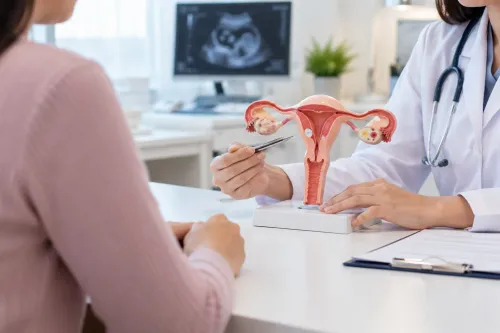
A thorough evaluation helps determine the safest and most effective treatment approach.
Preparing for Surgery
Preparation usually involves:
- Medical history review
- Physical examination
- Blood tests
- Imaging studies
- Medication review
- Discussion of anesthesia
Patients are also informed about expected recovery, possible risks, and postoperative care.
Recovery After Minimally Invasive Surgery
Recovery is often quicker than after traditional open surgery.
Most women can expect:
- Early walking after surgery
- Short hospital stay
- Gradual return to work
- Reduced discomfort
- Follow-up visits to monitor healing
Following postoperative instructions supports a smooth recovery.
Are There Any Risks?
Like every surgical procedure, minimally invasive surgery carries certain risks.
These may include:
- Infection
- Bleeding
- Injury to nearby organs
- Blood clots
- Anesthesia-related complications
However, careful patient selection and experienced surgical care help minimize these risks.
Questions to Ask Before Surgery
Before deciding on surgery, consider discussing:
- Is minimally invasive surgery appropriate for my condition?
- What are the expected benefits?
- How long is recovery?
- Will fertility be affected?
- What restrictions should I expect after surgery?
Having clear answers helps patients feel more confident about their treatment decisions.
Making an Informed Decision
Choosing surgery should always involve understanding the available options, expected outcomes, and recovery process. Women in Bangalore who are considering surgical treatment for gynecological conditions often benefit from consulting a specialist experienced in advanced minimally invasive procedures.
Dr Rajani Vaidya provides comprehensive evaluations to determine whether minimally invasive gynecological surgery is the most appropriate option for each patient. Women interested in learning more about surgical treatments, recovery expectations, and reproductive health services can also visit drrajanivaidyagynecology.com for additional educational information.
Keywords