A feeling of heaviness in the pelvis, difficulty emptying the bladder, or noticing a bulge near the vaginal opening can be unsettling. These symptoms may indicate pelvic organ prolapse, a condition that affects many women, particularly after childbirth or during menopause. Although common, pelvic organ prolapse is often underreported because many women feel embarrassed or assume it is a normal part of aging.
Fortunately, effective Pelvic Organ Prolapse Treatment is available, and early intervention can significantly improve comfort, mobility, and quality of life. Women across Bangalore and Karnataka are increasingly seeking medical advice to address symptoms before they interfere with daily activities.
What Is Pelvic Organ Prolapse?
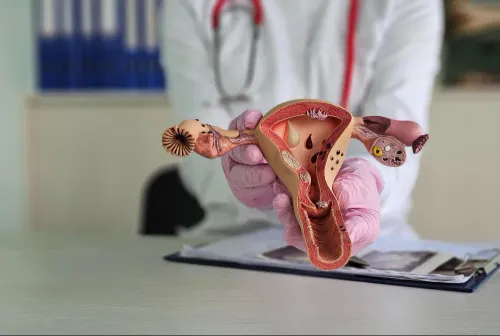
Pelvic organ prolapse occurs when the muscles and connective tissues supporting the pelvic organs become weakened. As a result, the bladder, uterus, rectum, or vaginal walls may shift downward into the vaginal canal.
Depending on the affected organ, prolapse may involve:
- Bladder prolapse (cystocele)
- Uterine prolapse
- Rectal prolapse into the vagina (rectocele)
- Small bowel prolapse (enterocele)
- Vaginal vault prolapse after hysterectomy
The condition can range from mild to severe and does not always require surgery.
What Causes Pelvic Organ Prolapse?
The pelvic floor acts as a supportive hammock for the pelvic organs. Over time, this support may weaken due to several factors.
Common causes include:
- Pregnancy and vaginal childbirth
- Multiple deliveries
- Aging
- Menopause
- Chronic constipation
- Frequent heavy lifting
- Obesity
- Chronic coughing
- Previous pelvic surgery
Several of these factors may work together over many years before symptoms become noticeable.
Symptoms to Watch For
Women experience prolapse differently depending on its severity.
Common symptoms include:
- A sensation of pressure or heaviness in the pelvis
- Feeling or seeing a bulge in the vagina
- Difficulty emptying the bladder
- Urinary leakage
- Constipation
- Discomfort during intercourse
- Lower back pain
- Symptoms that worsen after prolonged standing
These symptoms should not be considered a normal part of getting older.
How Is Pelvic Organ Prolapse Diagnosed?
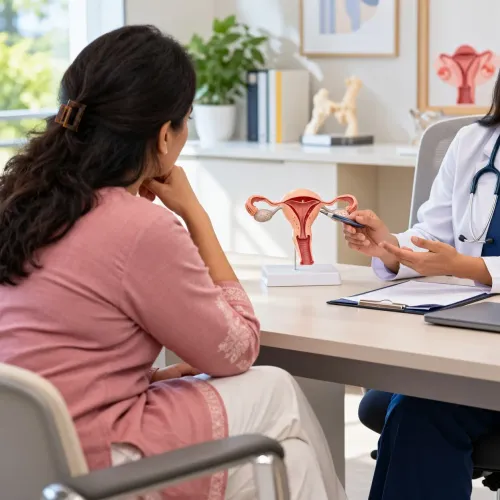
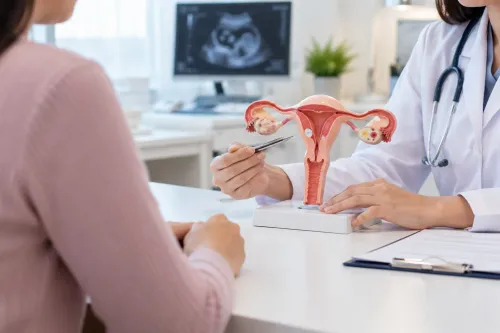
A gynecologist usually diagnoses prolapse through a detailed medical history and pelvic examination.
Additional investigations may include:
- Urinary function assessment
- Pelvic ultrasound when indicated
- Bladder evaluation for associated urinary symptoms
The examination also helps determine the stage of prolapse, which guides treatment decisions.
Treatment Options
Treatment depends on symptom severity, age, overall health, and personal preferences.
Lifestyle Changes
Women with mild prolapse may benefit from:
- Weight management
- Preventing constipation
- Avoiding heavy lifting
- Managing chronic cough
- Pelvic floor strengthening exercises
These measures may help reduce symptoms and slow progression.
Pelvic Floor Physiotherapy
Targeted exercises supervised by trained professionals strengthen the pelvic floor muscles and improve bladder control.
Many women experience meaningful improvement without surgery.
Vaginal Pessary
A pessary is a removable medical device placed inside the vagina to support the pelvic organs.
It may be recommended for women who:
- Prefer non-surgical treatment
- Wish to delay surgery
- Have medical conditions that increase surgical risk
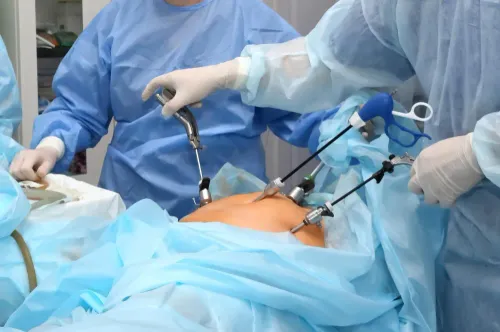
Surgical Treatment
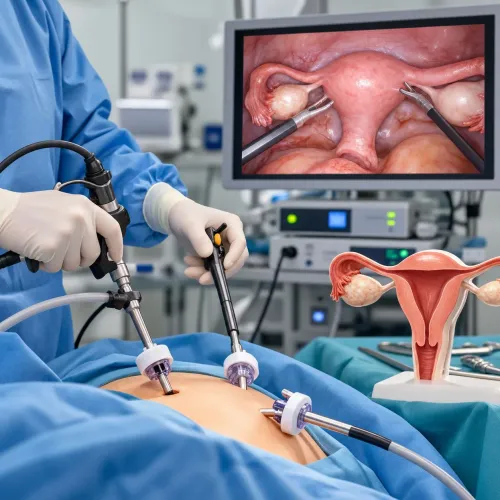
When symptoms significantly affect daily life, surgery may provide long-term relief.
Modern surgical techniques aim to:
- Restore normal anatomy
- Improve bladder and bowel function
- Relieve pressure symptoms
- Preserve quality of life
The choice of procedure depends on the specific type and severity of prolapse.
Can Pelvic Organ Prolapse Be Prevented?
Although not every case can be prevented, certain habits help reduce risk.
Helpful strategies include:
- Maintaining a healthy body weight
- Performing pelvic floor exercises regularly
- Treating chronic constipation
- Avoiding unnecessary heavy lifting
- Staying physically active
- Seeking post-pregnancy pelvic floor rehabilitation when recommended
When Should You Consult a Gynecologist?
Arrange an evaluation if you experience:
- A vaginal bulge
- Persistent pelvic pressure
- Urinary leakage or difficulty passing urine
- Difficulty with bowel movements
- Symptoms that interfere with work or exercise
Early treatment often provides more options and may prevent further progression.
Women in Bangalore experiencing symptoms of pelvic organ prolapse should know that effective treatments are available for both mild and advanced cases. Dr Rajani Vaidya provides individualized evaluation and treatment plans based on each woman's lifestyle, symptoms, and future health goals. Women can also learn more about pelvic floor disorders and available treatment options by visiting drrajanivaidyagynecology.com before scheduling a consultation.
Keywords