Many women discover they have uterine fibroids during a routine gynecological check-up, while others seek medical advice after experiencing heavy menstrual bleeding, pelvic discomfort, or frequent urination. Fibroids are non-cancerous growths that develop in or around the uterus, and although they are common during the reproductive years, their impact varies significantly from one woman to another.
Understanding when fibroids require treatment can help prevent complications and improve quality of life. Women in Bangalore and across Karnataka often delay seeking medical attention because they assume painful periods or heavy bleeding are normal. Recognizing the signs early makes it easier to explore effective treatment options before symptoms worsen.
What Are Uterine Fibroids?
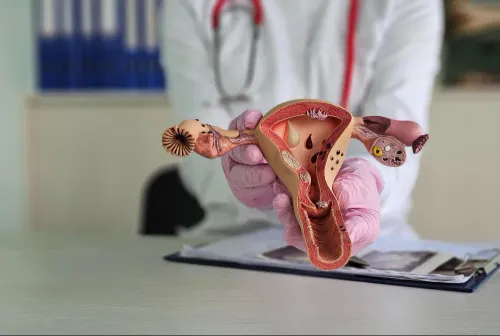
Fibroids, also known as uterine leiomyomas, are growths made of muscle and fibrous tissue. They can develop as a single growth or multiple growths and may vary greatly in size.
Fibroids are generally classified based on their location:
- Intramural fibroids within the uterine wall
- Submucosal fibroids inside the uterine cavity
- Subserosal fibroids on the outer surface of the uterus
- Pedunculated fibroids attached by a stalk
The location of a fibroid often determines the symptoms and influences the most suitable treatment approach.
Common Symptoms That Should Not Be Ignored
Not every fibroid causes noticeable symptoms. However, larger or strategically located fibroids can affect everyday comfort and reproductive health.
Symptoms may include:
- Heavy or prolonged menstrual bleeding
- Pelvic pain or pressure
- Frequent urination
- Constipation
- Pain during intercourse
- Lower back discomfort
- Difficulty becoming pregnant
- Recurrent miscarriages in certain cases
Persistent symptoms deserve evaluation rather than self-management.
Why Do Fibroids Develop?
The exact cause remains unclear, but several factors increase the likelihood of developing fibroids.
Common risk factors include:
- Hormonal changes involving estrogen and progesterone
- Family history
- Increasing reproductive age
- Obesity
- Early onset of menstruation
- Lifestyle and dietary factors
While these factors influence risk, regular gynecological examinations help detect fibroids regardless of family history.
How Fibroids Are Diagnosed
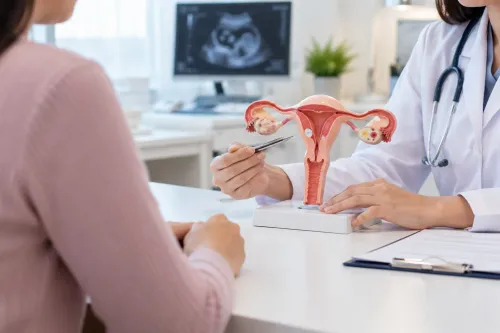
Diagnosis usually begins with a detailed medical history and pelvic examination.
Additional investigations may include:
- Pelvic ultrasound
- Transvaginal ultrasound
- MRI for complex cases
- Hysteroscopy
- Blood tests if heavy bleeding has caused anemia
These investigations help determine the number, size, and location of fibroids before deciding on treatment.
When Is Fibroids Treatment Recommended?
Treatment depends on symptoms rather than simply the presence of fibroids.
A gynecologist may recommend treatment when:
- Menstrual bleeding becomes excessive
- Fibroids continue growing rapidly
- Chronic pelvic pain develops
- Fertility is affected
- Pressure symptoms interfere with daily activities
- Repeated urinary or bowel problems occur
Women approaching menopause may require a different management strategy because fibroids often shrink after hormone levels decline.
Available Fibroids Treatment Options
Treatment is individualized according to age, reproductive goals, symptom severity, and fibroid characteristics.
Observation
Small fibroids without symptoms may simply require periodic monitoring.
Medication
Medicines may help control:
- Heavy menstrual bleeding
- Pain
- Hormonal imbalance
- Temporary fibroid shrinkage before surgery
Medication usually manages symptoms rather than permanently removing fibroids.
Minimally Invasive Procedures
Modern gynecology offers several procedures that reduce recovery time while preserving healthy tissue whenever possible.
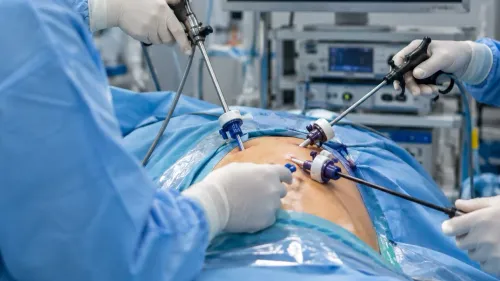
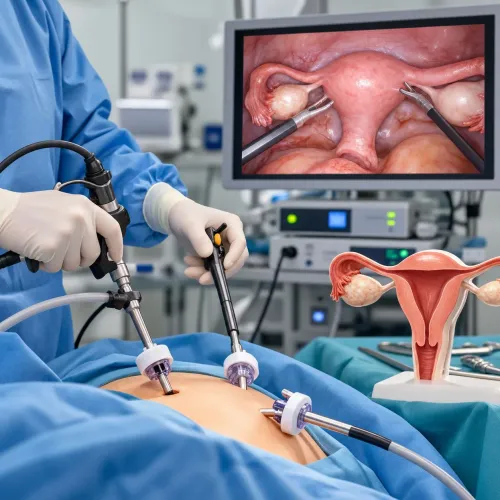
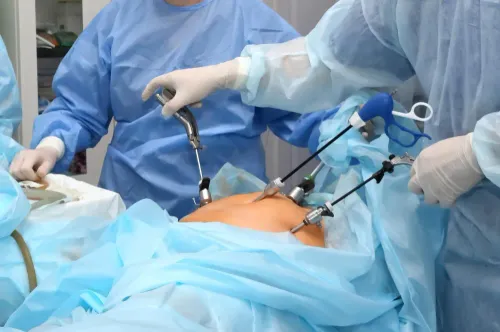
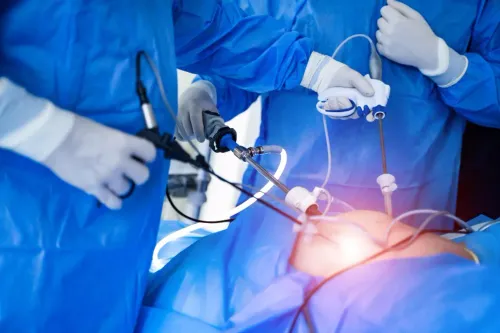
These may include laparoscopic techniques or hysteroscopic procedures depending on fibroid location.
Surgical Treatment
Larger fibroids or multiple symptomatic fibroids sometimes require surgery. The appropriate procedure depends on whether future pregnancy is desired.
Can Fibroids Affect Pregnancy?
Many women with fibroids have healthy pregnancies. However, some fibroids may interfere with implantation, fetal growth, or delivery depending on their size and location.
Women planning pregnancy should discuss fibroids with a gynecologist, particularly if they have experienced infertility or repeated pregnancy loss.
Lifestyle Habits That Support Uterine Health
Healthy lifestyle choices cannot eliminate fibroids but may support overall reproductive health.
Helpful habits include:
- Maintaining a healthy weight
- Eating plenty of fruits and vegetables
- Limiting processed foods
- Staying physically active
- Managing stress
- Attending regular gynecological check-ups
These measures contribute to better hormonal balance and early detection of gynecological conditions.
When Should You Schedule a Consultation?
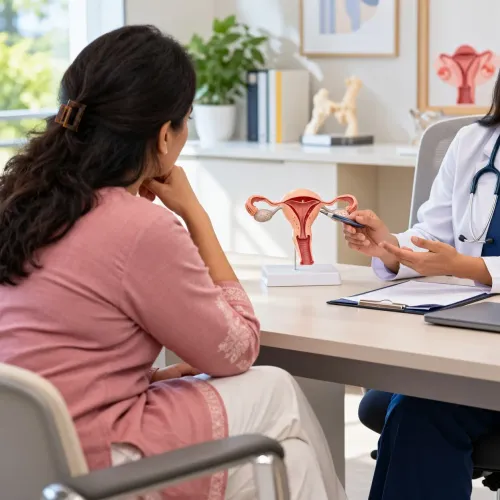
You should consider medical evaluation if heavy periods interfere with work or daily life, pelvic pain becomes persistent, or menstrual changes continue over several months.
Women in Bangalore often benefit from consulting an experienced gynecologist before symptoms become severe enough to affect fertility or overall well-being. Practices such as Dr Rajani Vaidya's clinic focus on individualized evaluation, helping patients understand whether observation, medication, or minimally invasive treatment is the most appropriate option. Additional information about women's health services is also available through drrajanivaidyagynecology.com for those seeking reliable educational resources.
Keywords