Unexpected bleeding between periods, unusually heavy menstrual flow, or spotting after menopause should never be ignored. While these symptoms can have several causes, one possible explanation is the presence of uterine polyps. These small growths develop inside the lining of the uterus and are usually non-cancerous, but they can affect menstrual health, fertility, and overall well-being.
Understanding Uterine Polyps Treatment helps women recognize when medical evaluation is necessary and what treatment options are available. Women throughout Bangalore and Karnataka are increasingly benefiting from early diagnosis, allowing many polyps to be treated before complications arise.
What Are Uterine Polyps?
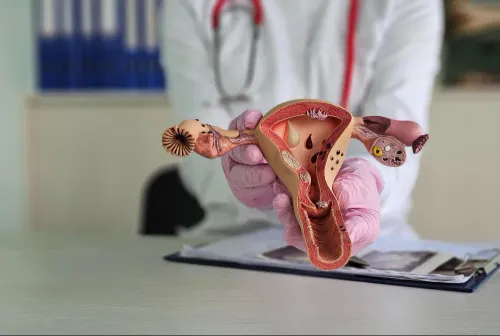
Uterine polyps are soft tissue growths that develop from the inner lining of the uterus, known as the endometrium. They may occur individually or as multiple growths and can range in size from a few millimeters to several centimeters.
Although most uterine polyps are benign, some may require further evaluation depending on a woman's age, symptoms, and medical history.
Symptoms That May Suggest Uterine Polyps
Many women experience no symptoms, and polyps are discovered during routine examinations or imaging studies.
When symptoms occur, they commonly include:
- Heavy menstrual bleeding
- Irregular menstrual cycles
- Bleeding between periods
- Bleeding after menopause
- Difficulty becoming pregnant
- Recurrent pregnancy loss in selected cases
Persistent abnormal bleeding should always be assessed by a gynecologist.
Why Do Uterine Polyps Develop?
The exact cause is not fully understood, but hormonal influences appear to play a significant role.
Factors associated with uterine polyps include:
- Increased estrogen exposure
- Perimenopause
- Obesity
- High blood pressure
- Certain hormonal medications
Having one or more risk factors does not necessarily mean polyps will develop, but regular gynecological care supports early detection.
How Are Uterine Polyps Diagnosed?
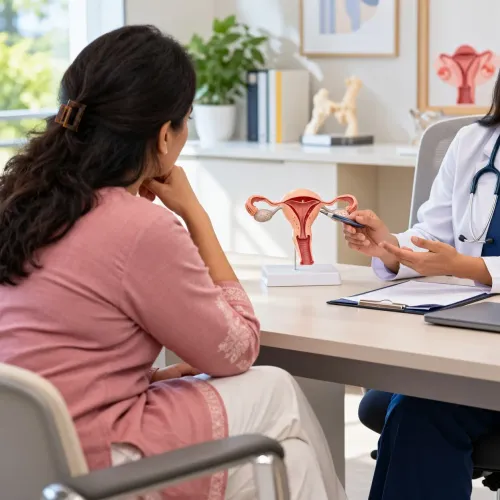
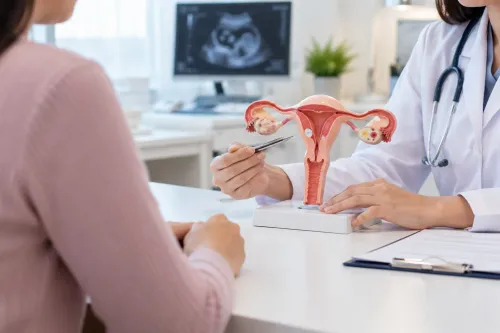
A thorough evaluation begins with discussing symptoms and menstrual history.
Diagnostic tools may include:
- Pelvic ultrasound
- Transvaginal ultrasound
- Saline infusion sonography
- Hysteroscopy
- Endometrial biopsy when indicated
These investigations help determine the number, size, and location of polyps while ruling out other causes of abnormal bleeding.
Treatment Options for Uterine Polyps
Treatment depends on the woman's symptoms, age, reproductive plans, and the characteristics of the polyp.
Observation
Small, symptom-free polyps may simply be monitored through periodic follow-up.
Medication
Hormonal medications may temporarily reduce symptoms in selected patients, although they usually do not eliminate the polyp permanently.
Hysteroscopic Polypectomy
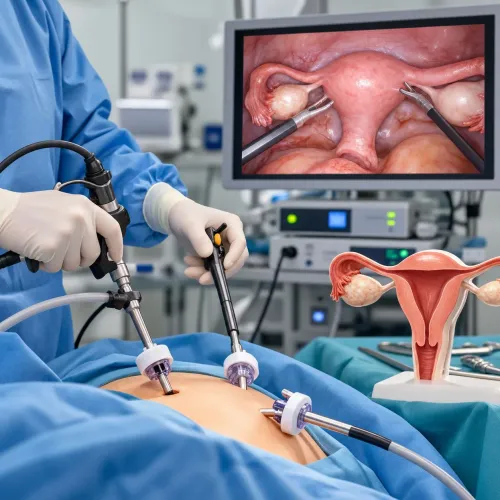
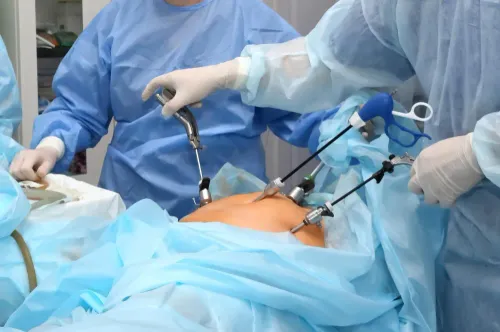
The most effective treatment for symptomatic uterine polyps is hysteroscopic removal.
This minimally invasive procedure allows the gynecologist to:
- Remove the polyp accurately
- Preserve healthy uterine tissue
- Send the tissue for laboratory analysis
- Improve symptoms with minimal recovery time
Most women return to their usual activities shortly after the procedure.
Can Uterine Polyps Affect Fertility?
In some women, uterine polyps may interfere with embryo implantation or contribute to repeated pregnancy loss.
Removing selected polyps may improve the uterine environment for women planning pregnancy, although treatment recommendations are always individualized.
When Should You Seek Medical Advice?
Arrange a consultation if you experience:
- Bleeding after menopause
- Heavy periods every month
- Spotting between menstrual cycles
- Persistent irregular bleeding
- Difficulty conceiving
- Recurrent miscarriages
Prompt evaluation allows appropriate treatment before symptoms become more severe.
Supporting Long-Term Uterine Health
Maintaining regular gynecological check-ups remains one of the best ways to identify uterine conditions early.
Women should also:
- Track menstrual changes
- Attend follow-up appointments
- Maintain a healthy weight
- Discuss abnormal bleeding without delay
- Follow individualized medical advice
Women in Bangalore experiencing abnormal uterine bleeding can benefit from timely evaluation to determine whether uterine polyps or another gynecological condition is responsible. Dr Rajani Vaidya provides comprehensive assessment and minimally invasive treatment options tailored to each patient's reproductive goals and overall health. Additional educational information about uterine conditions and available services can be found at drrajanivaidyagynecology.com.
Keywords