Living with painful periods is often dismissed as something women simply have to endure. However, when pelvic pain becomes severe, persists beyond menstruation, or begins affecting work, relationships, and fertility, it may indicate endometriosis. This condition affects millions of women worldwide and frequently goes undiagnosed for years because its symptoms can resemble other health concerns.
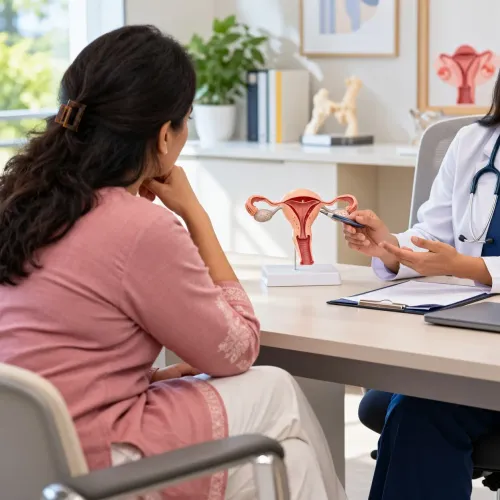
Consulting an Endometriosis Specialist can help identify the underlying cause and create a personalized treatment plan that improves both comfort and reproductive health. Women across Bangalore and Karnataka are increasingly seeking early evaluation as awareness of this condition continues to grow.
What Is Endometriosis?
Endometriosis occurs when tissue similar to the lining of the uterus grows outside the uterine cavity. These growths can develop on the ovaries, fallopian tubes, pelvic lining, bladder, bowel, and, in rare cases, other parts of the body.
Like the uterine lining, this tissue responds to hormonal changes during the menstrual cycle. However, because it cannot leave the body naturally, it may lead to inflammation, scarring, and chronic pain.
The severity of symptoms does not always match the extent of the disease. Some women with mild endometriosis experience significant discomfort, while others with advanced disease have few symptoms.
Symptoms That May Indicate Endometriosis
Many women mistake the symptoms of endometriosis for normal menstrual discomfort. Recognizing the warning signs can help avoid delays in diagnosis.
Common symptoms include:
- Severe menstrual cramps
- Chronic pelvic pain
- Pain during intercourse
- Pain during bowel movements or urination during menstruation
- Heavy menstrual bleeding
- Fatigue
- Lower back pain
- Difficulty conceiving
Symptoms often worsen over time if left untreated.
Why Early Diagnosis Matters
Delayed diagnosis can affect physical health, emotional well-being, and fertility. Persistent inflammation may result in scar tissue, adhesions, and ovarian cysts known as endometriomas.
Seeking medical evaluation early allows treatment to begin before complications become more significant.
Early diagnosis can help:
- Reduce chronic pain
- Improve daily functioning
- Preserve fertility when possible
- Minimize disease progression
- Improve quality of life
How an Endometriosis Specialist Makes the Diagnosis
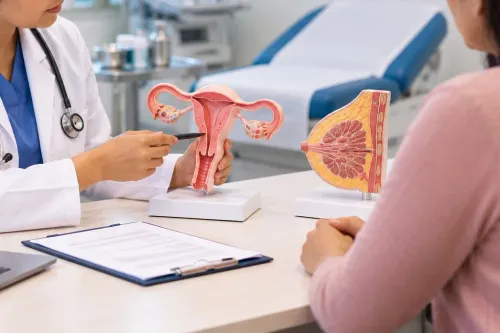
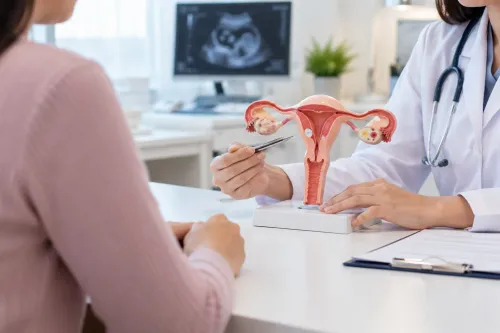
Diagnosing endometriosis involves more than a single test. A specialist considers symptoms, medical history, and imaging findings before recommending the next steps.
The evaluation may include:
- Detailed discussion of menstrual history
- Pelvic examination
- Pelvic ultrasound
- MRI in selected cases
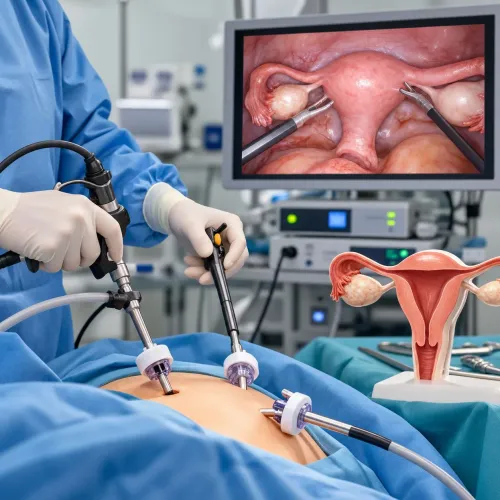
- Diagnostic laparoscopy when necessary
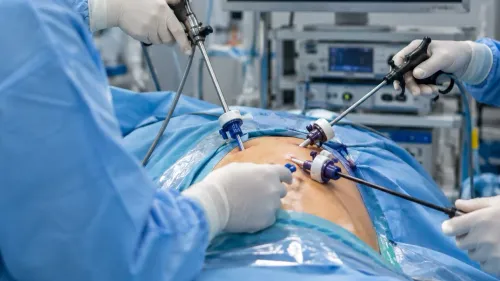
Laparoscopy remains one of the most reliable methods for confirming endometriosis while also allowing treatment during the same procedure when appropriate.
Treatment Options for Endometriosis
Treatment depends on symptom severity, age, future pregnancy plans, and the extent of disease.
Medication
Medicines may help control:
- Pelvic pain
- Menstrual discomfort
- Hormonal stimulation of endometrial tissue
Medication can reduce symptoms but may not remove existing lesions.
Laparoscopic Surgery
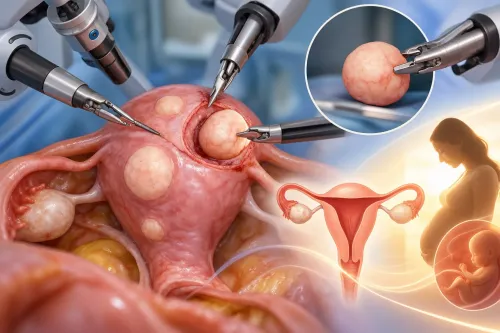
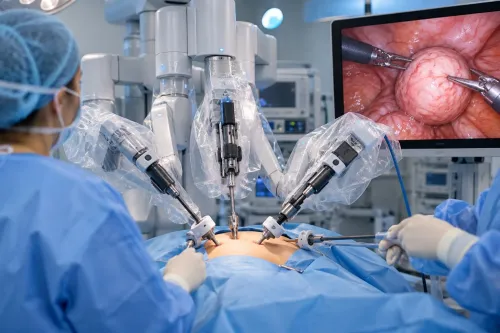
Minimally invasive surgery is often recommended when symptoms persist despite medication or when fertility is affected.
Laparoscopic procedures allow surgeons to remove or destroy endometriosis while preserving healthy reproductive organs whenever possible.
Fertility Planning
Women trying to conceive may require individualized treatment based on age, ovarian reserve, and the severity of endometriosis.
Early fertility assessment helps determine the most appropriate approach.
Can Lifestyle Changes Help?
Lifestyle adjustments cannot cure endometriosis but may complement medical treatment.
Many women benefit from:
- Regular physical activity
- Anti-inflammatory dietary choices
- Adequate sleep
- Stress management
- Following prescribed treatment consistently
Keeping a symptom diary may also help identify patterns that assist healthcare providers during follow-up visits.
When Should You Consult a Specialist?
Consider seeking medical advice if:
- Menstrual pain disrupts daily activities
- Pelvic pain occurs even between periods
- Pain medications provide little relief
- You have difficulty becoming pregnant
- Symptoms continue worsening each month
Ignoring persistent symptoms may delay effective treatment and prolong discomfort.
Women in Bangalore experiencing ongoing pelvic pain can benefit from evaluation by an experienced gynecologist with expertise in diagnosing complex reproductive conditions. Dr Rajani Vaidya focuses on evidence-based assessment and individualized treatment plans designed around each patient's symptoms and future reproductive goals. Additional educational information is available through drrajanivaidyagynecology.com for women who want to better understand endometriosis before scheduling a consultation.
Keywords