The word 'hysterectomy' often brings uncertainty and concern. Many women wonder whether surgery is truly necessary and what life might look like afterward. While hysterectomy is a major procedure, it can provide lasting relief for certain gynecological conditions when other treatments are no longer effective.
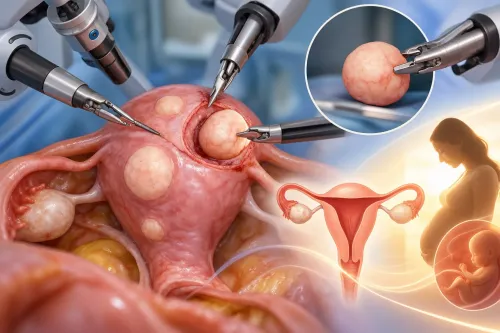
A hysterectomy involves the surgical removal of the uterus and may be recommended for conditions such as large fibroids, severe endometriosis, chronic abnormal uterine bleeding, uterine prolapse, adenomyosis, or certain gynecological cancers.
One of the biggest misconceptions is that hysterectomy is always the first treatment option. In reality, doctors typically explore conservative treatments whenever appropriate before considering surgery. The decision depends on symptom severity, age, reproductive plans, medical history, and overall health.
Women in Bangalore are becoming increasingly proactive about understanding their treatment options before proceeding with surgery. This informed approach allows patients to participate actively in healthcare decisions.
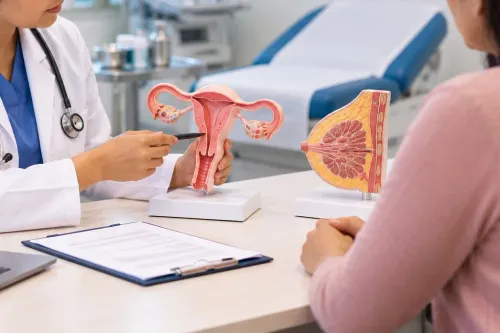
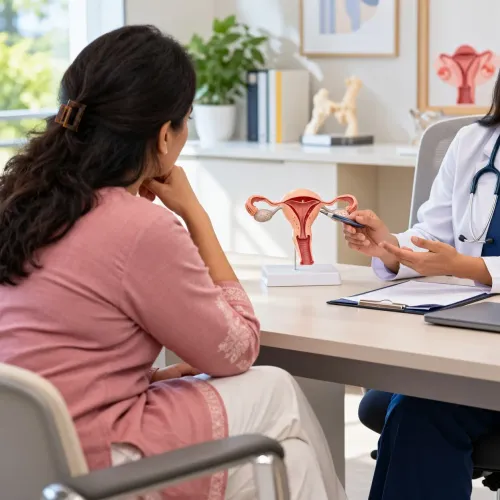
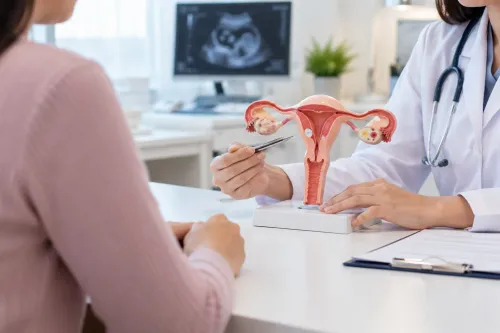
According to Dr Rajani Vaidya, every hysterectomy recommendation should be based on a comprehensive evaluation and a clear understanding of the patient's symptoms and long-term health goals. Open communication often helps address fears and misconceptions surrounding the procedure.
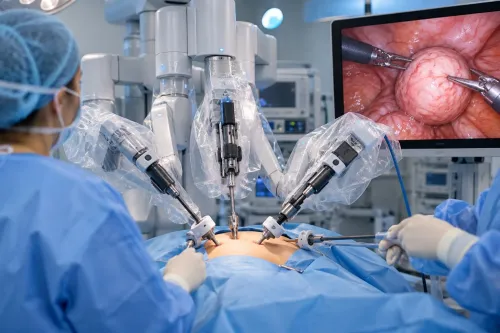
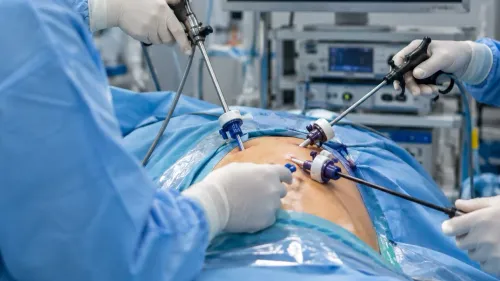
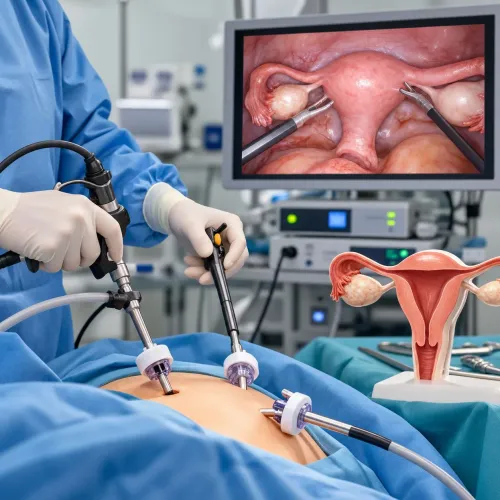
Advancements in laparoscopic and minimally invasive hysterectomy techniques have improved recovery experiences for many women. Smaller incisions and enhanced surgical precision often contribute to shorter recovery periods compared to traditional approaches.
If ongoing gynecological symptoms are affecting your daily life and conservative treatments have not provided relief, consulting Dr Rajani Vaidya in Bangalore can help you determine whether hysterectomy is an appropriate option and what alternatives may be available.
Keywords