Finding fibroids during an ultrasound can immediately raise concerns about surgery. However, uterine fibroids are non-cancerous growths, and many do not require immediate intervention. Uterine fibroids treatment is usually determined by symptoms, fibroid location, age, overall health and future pregnancy plans not by the scan result alone.
When Can Uterine Fibroids Be Monitored?
Monitoring may be appropriate when fibroids are small, symptoms are absent or mild, and there are no signs of related complications. The gynaecologist may recommend tracking symptoms, attending periodic reviews and repeating an ultrasound when clinically necessary.
Monitoring does not mean ignoring the condition. Women should report changes such as:
- Periods becoming heavier or longer
- Increasing pelvic pressure
- Persistent lower abdominal pain
- Frequent urination
- Difficulty passing stools
- Increasing abdominal size
- Unexplained weakness or tiredness
Fibroids are influenced by hormones and may change during the reproductive years. They often become smaller after menopause. However, bleeding after menopause should always be medically investigated rather than automatically attributed to fibroids.
When May Active Treatment Be Recommended?
Treatment may be considered when fibroids cause symptoms that affect health or everyday activities. These can include:
- Heavy bleeding that causes anaemia
- Severe or recurring menstrual pain
- Persistent pelvic pressure
- Bladder or bowel problems
- Difficulty conceiving
- Recurrent pregnancy-related concerns
- Distortion of the uterine cavity
- Symptoms that continue despite medication
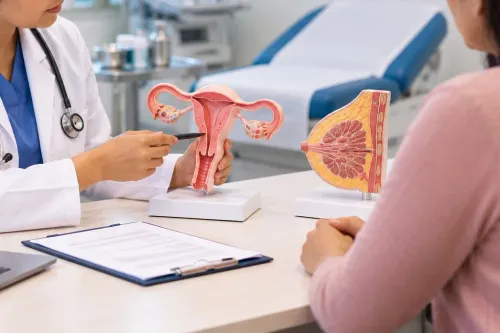
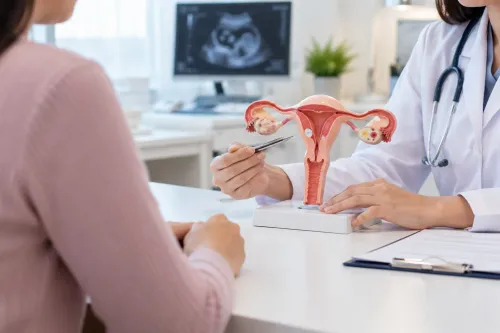
The position of the fibroid is particularly important. Submucosal fibroids grow toward the uterine cavity and may be associated with heavy bleeding or fertility concerns. Intramural fibroids develop within the uterine muscle, while subserosal fibroids grow toward the outside and may produce pressure symptoms.
Can Medicines Treat Fibroids?
Medication may help control heavy periods, pain and iron-deficiency anaemia. Depending on the patient’s condition, a doctor may consider non-hormonal medicines, hormonal treatment or temporary medicines that influence fibroid-related symptoms.
Medicines do not always remove fibroids. Some treatments mainly control symptoms, and the problems may return after the medication is stopped. The benefits, limitations and possible side effects should therefore be discussed before beginning treatment.
When Is a Procedure Considered?
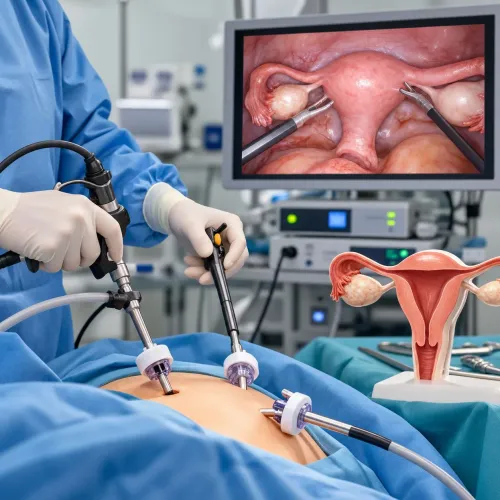
A hysteroscopic procedure may be suitable for certain fibroids located within the uterine cavity. It is performed through the cervix and does not require abdominal incisions.
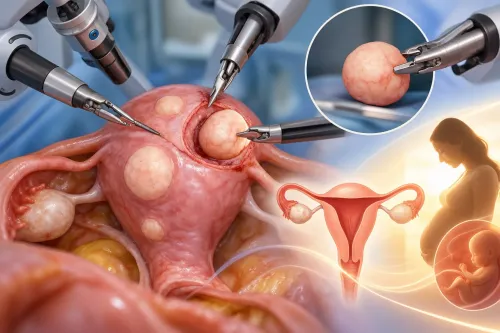
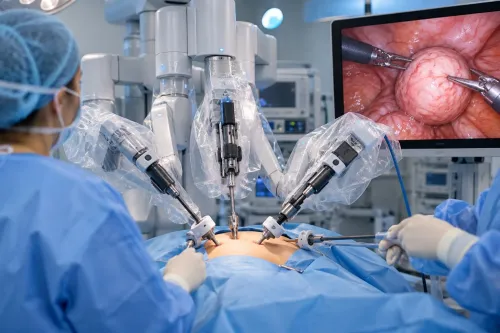
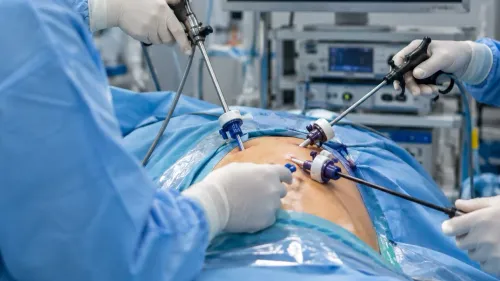
Myomectomy removes selected fibroids while preserving the uterus. It may be appropriate for women who want to retain the possibility of pregnancy or prefer uterus-preserving treatment. The procedure may be performed hysteroscopically, laparoscopically or through open surgery, depending on the fibroids.
Hysterectomy removes the uterus and provides definitive treatment because fibroids cannot return after the uterus has been removed. However, it permanently ends the ability to carry a pregnancy and is not automatically the first choice for every woman.
Questions to Ask Before Selecting Treatment
Women can ask their gynaecologist:
- Which fibroid is causing my symptoms?
- Is my haemoglobin or iron level affected?
- Can the fibroid be monitored safely?
- Will the proposed treatment preserve fertility?
- Is a minimally invasive procedure suitable?
- What is the likelihood of fibroids returning?
- How long will recovery take?
- What symptoms require urgent attention?
Women seeking uterine fibroids treatment in Bangalore can consult Dr Rajani Vaidya for an individual assessment. The evaluation can help determine whether monitoring, medication or surgical management is appropriate according to the symptoms and reproductive goals.
The best treatment is not necessarily the most extensive one. It is the option that addresses the actual problem while avoiding unnecessary intervention. A careful diagnosis helps women choose treatment with greater clarity and confidence.
Keywords