For many couples, pregnancy happens naturally within a few months of trying. For others, the journey takes longer than expected and often brings uncertainty, emotional stress, and many unanswered questions. Difficulty conceiving does not always mean permanent infertility, but it is a sign that both partners may benefit from a medical evaluation.
Modern Infertility Treatment focuses on identifying the underlying cause rather than offering a one-size-fits-all solution. With advances in reproductive medicine, many couples are able to achieve successful pregnancies after receiving the right diagnosis and personalized care. Across Bangalore and Karnataka, more couples are seeking fertility evaluations earlier, improving their chances of successful treatment.
When Should You Consider a Fertility Evaluation?
Healthcare providers generally recommend an infertility assessment if:
- Pregnancy has not occurred after 12 months of regular, unprotected intercourse for women under 35.
- Pregnancy has not occurred after six months for women aged 35 or older.
- There is a history of irregular periods.
- Previous pelvic infections or surgeries have occurred.
- Endometriosis has been diagnosed.
- There have been recurrent miscarriages.
- Male fertility concerns are suspected.
Seeking medical advice early allows potential issues to be identified before they become more challenging to manage.
Common Causes of Infertility
Infertility may result from female factors, male factors, or a combination of both. In some cases, no clear cause is identified despite thorough evaluation.
Female causes may include:
- Ovulation disorders
- Polycystic ovary syndrome (PCOS)
- Endometriosis
- Blocked fallopian tubes
- Uterine fibroids
- Hormonal imbalance
- Age-related decline in egg quality
Male factors may involve reduced sperm count, poor sperm movement, or structural abnormalities.
A comprehensive assessment of both partners provides the most accurate understanding of fertility challenges.
What Happens During an Infertility Consultation?
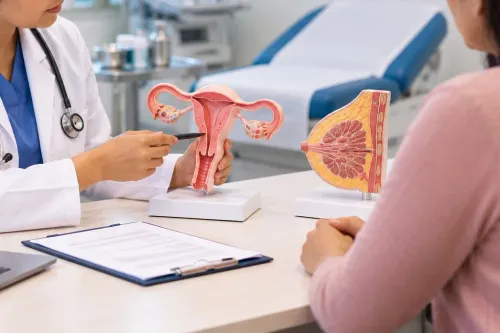
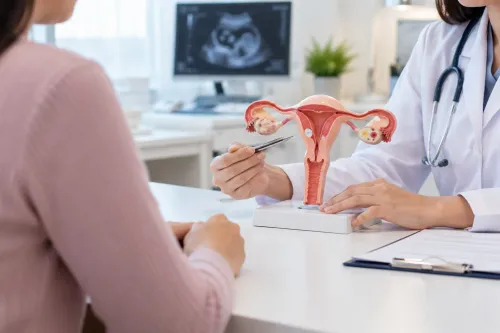
The first consultation focuses on understanding medical history, menstrual patterns, lifestyle factors, and previous pregnancies.
Investigations may include:
- Hormone testing
- Ovulation assessment
- Pelvic ultrasound
- Tubal patency evaluation
- Semen analysis
- Blood investigations
These tests help identify the most appropriate treatment pathway without unnecessary procedures.
Available Infertility Treatment Options
Treatment depends entirely on the underlying diagnosis.
Lifestyle Modifications
In some cases, improving overall health can enhance fertility.
Recommendations may include:
- Maintaining a healthy weight
- Eating a balanced diet
- Managing stress
- Exercising regularly
- Avoiding tobacco and excessive alcohol
Ovulation Induction
Medication may be prescribed to stimulate regular ovulation in women who are not releasing eggs consistently.
Correcting Underlying Conditions
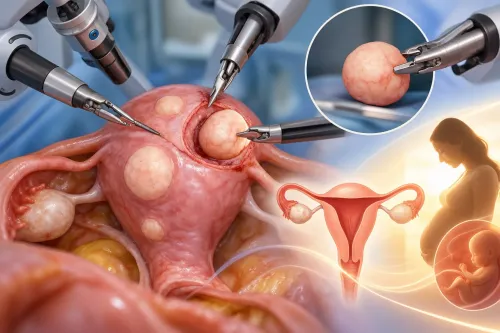
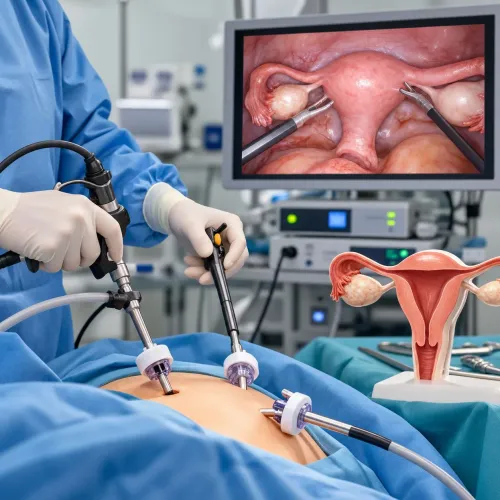
Treating fibroids, endometriosis, ovarian cysts, or uterine polyps may improve the chances of conception.
Assisted Reproductive Techniques
When appropriate, advanced fertility treatments may be recommended after evaluating both partners and discussing individual goals.
Factors That Influence Fertility
Several factors affect reproductive potential, including:
- Age
- Hormonal health
- Ovarian reserve
- Sperm quality
- Uterine health
- Fallopian tube function
- Lifestyle habits
Understanding these factors allows couples to make informed decisions about the next steps.
Emotional Well-Being During Fertility Treatment
The emotional impact of infertility is often underestimated. Couples may experience disappointment, anxiety, or frustration during the process.
Helpful coping strategies include:
- Open communication between partners
- Setting realistic expectations
- Seeking emotional support
- Following the treatment plan consistently
- Asking questions during consultations
A supportive healthcare team can make the journey feel more manageable.
Frequently Asked Questions
Does infertility always require IVF?
No. Many couples conceive with medication, minor procedures, or treatment of an underlying medical condition.
Can lifestyle changes improve fertility?
Healthy habits may improve reproductive health, especially when combined with appropriate medical care.
Should both partners be evaluated?
Yes. Fertility depends on both male and female reproductive health, making evaluation of both partners essential.
Taking the Next Step
Difficulty conceiving does not always indicate a permanent problem, but waiting too long can reduce certain treatment options, particularly as age advances. Couples in Bangalore who are planning a pregnancy or experiencing delays may benefit from an early fertility assessment rather than prolonged uncertainty.
Dr Rajani Vaidya offers individualized fertility evaluations that focus on identifying the cause of infertility and developing a treatment plan suited to each couple's circumstances. Women and couples looking for additional information about fertility care can also explore drrajanivaidyagynecology.com to better understand available diagnostic and treatment options.
Keywords