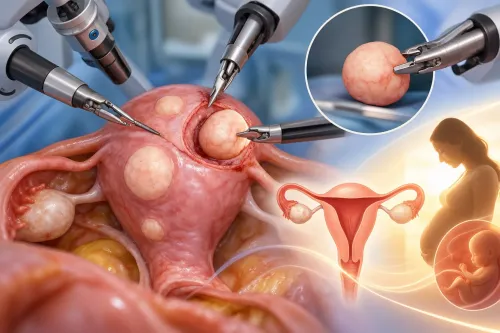
Your need for cervical screening depends on your age, pregnancy and childbirth history, immune status, previous results, and whether you still have a cervix. By the end, you will know which test to ask about, how often it is repeated, how to prepare, and when a symptom needs examination instead of routine screening.
Key takeaways
- Ask about primary HPV-DNA testing from age 30 where available.
- Pap smear schedules depend on your age, risk factors and medical history.
- Avoid vaginal medicines, intercourse and douching before your screening appointment.
- An HPV-positive or abnormal result needs follow-up, not immediate panic.
Who should have cervical screening in India?
Your need for cervical screening in India depends on age, risk and medical history. Indian programmes and professional guidelines do not use one universal cervical screening age. WHO supports primary HPV-DNA screening from age 30 where available, while a commonly used Pap smear age begins at 21.
| Approach | Starting point | Usual interval |
|---|---|---|
| HPV-DNA testing | 30 | Every 5 years |
| Pap cytology | 21 | Every 3 years |
Screening after 65 years is appropriate only when you have adequate previous negative results and no history of CIN2, CIN3, AIS or cervical cancer. Age alone does not justify stopping after 65 if you have high-risk history or inadequate records.
Women living with HIV need earlier and more frequent screening. HPV vaccination reduces the risk of HPV-related disease but does not replace screening. A Pap smear examines cervical cells; it does not test for ovarian cancer, uterine cancer, infertility or general sexually transmitted infections.
A total hysterectomy that removed the cervix for a benign reason usually ends screening when there is no history of high-grade disease. If the cervix remains, or you previously had CIN2, CIN3, AIS or cervical cancer, continued follow-up may be necessary.
Do not wait for routine screening if you have bleeding after sex, bleeding between periods or after menopause, persistent unusual discharge, or pelvic pain. These symptoms require clinical examination at any age, even after a normal result.
Which test and interval should you ask for in Bangalore?
Do not ask for “an annual Pap smear”; ask which screening method fits your age and history, the repeat interval, and the follow-up plan. Pap cytology is a laboratory examination of cells brushed from the cervix. Primary HPV testing is a standalone test for high-risk HPV DNA.
Co-testing combines HPV testing and Pap cytology from the same visit or sample.
| Option | What it means | Usual interval |
|---|---|---|
| Pap cytology | Cervical cells examined in a laboratory | Every 3 years at ages 21–29; every 3 years from 30–65 |
| Primary HPV testing | Standalone high-risk HPV-DNA test | Every 5 years from 30–65 |
| HPV/Pap co-testing | HPV testing plus Pap cytology | Every 5 years from 30–65 |
| VIA | Cervix viewed after applying acetic acid | Depends on the local programme and clinical plan |
These are alternative strategies, not three tests every year. WHO identifies HPV-DNA testing as the preferred primary method where available. For HPV testing, Bangalore laboratories and hospitals offer some assays; ask the clinic to confirm the assay used, sample handling, and the follow-up pathway.
Age, pregnancy, immune status, previous abnormal results, and dependable follow-up determine whether a clinician proposes VIA, Pap, HPV testing, or co-testing. Ask which test is being used, when to repeat it, and what happens after a positive result. If co-testing is proposed, ask specifically for the Pap HPV co-testing interval rather than assuming annual testing.
What happens during the appointment, and how should you prepare?
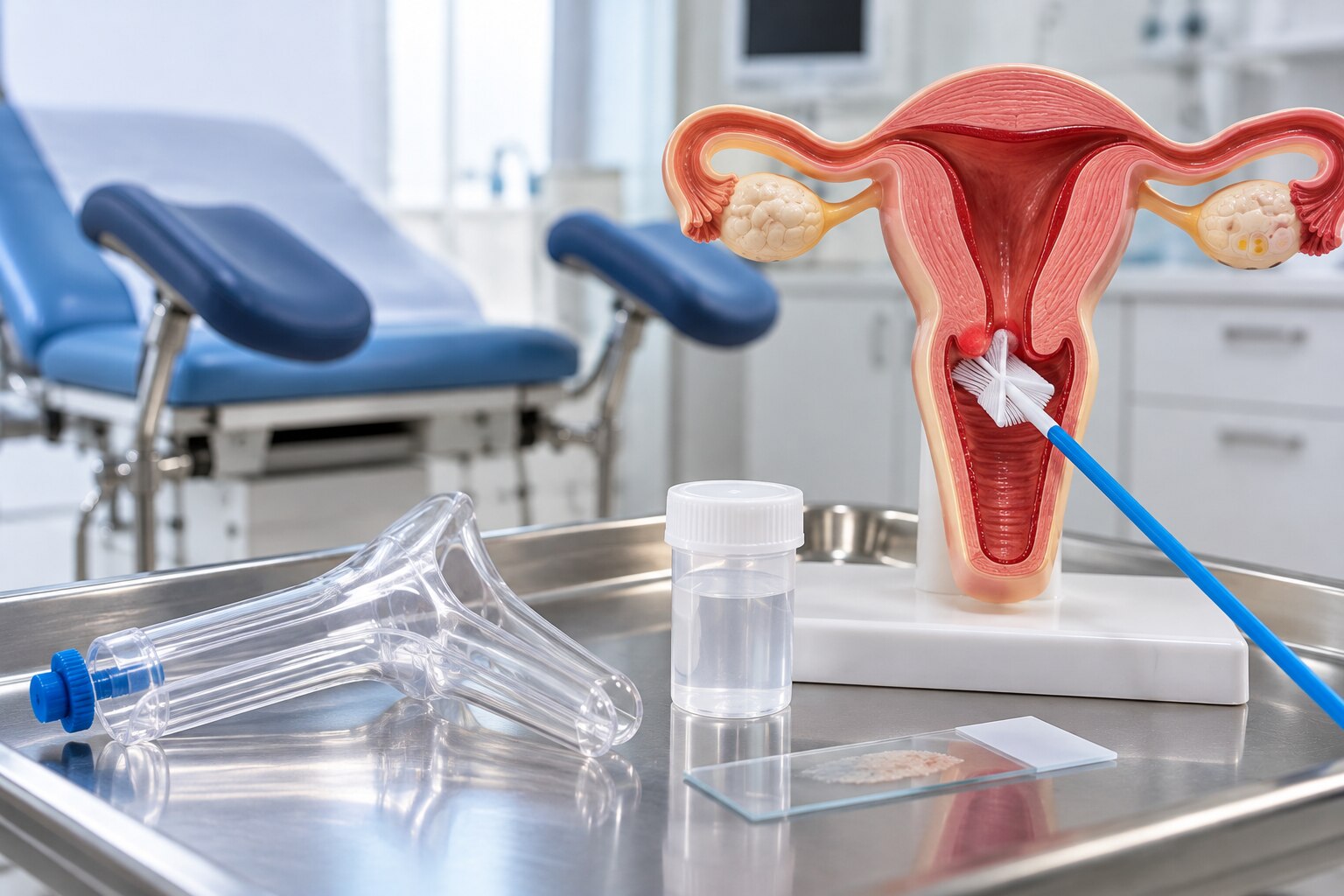
1. How a Pap smear is done starts with changing from the waist down and lying on an examination couch. The clinician gently performs speculum insertion to see the cervix.
2. A cervical cells brush then collects cells from the surface of the cervix. The brush goes into a liquid vial or transfers cells onto a slide; staff label it with your details and send it to a cytology or HPV laboratory.
3. The collection itself often takes only a few minutes. The full appointment takes longer when the clinician needs your history or a separate examination.
For Pap smear preparation, follow the clinic’s instructions. Avoid vaginal intercourse, douching and vaginal medicines for about 48 hours before the appointment, and avoid booking during heavy menstrual bleeding.
Tell the clinician if you are pregnant, recently received treatment for an infection, have vaginal bleeding, had an abnormal result, or have had a hysterectomy. These details affect whether the sample is collected that day, postponed, or interpreted differently.
Screening is intended for people without warning symptoms. Bleeding after sex, bleeding between periods or after menopause, persistent unusual discharge, or pelvic pain requires an examination rather than waiting for a scheduled sample.
Is screening painful, and when should pregnancy or delivery change the timing?
Speculum pressure, a brief pinch, mild cramping, or a small amount of spotting can occur during or shortly after collection. Pap smear pain and spotting should settle quickly; the procedure itself usually takes only a few minutes.
Contact a clinician if you experience:
- Heavy bleeding
- Severe or persistent pain
- Fever
- Foul-smelling discharge
- Symptoms that do not settle
A Pap smear during pregnancy can generally be collected when screening is due. Pregnancy changes the follow-up rather than automatically cancelling screening: colposcopy is used when indicated, while endocervical curettage and treatment of a precancerous lesion are generally avoided unless cancer is suspected.
Pap smear after childbirth is timed by the clinician. Bleeding, healing tissue, or cervical inflammation can reduce sample quality, so ask when to return instead of booking immediately after delivery. After treatment for vaginitis or cervicitis, complete treatment and wait for the recommended interval if inflammation could affect the sample.
Cervical screening infertility is not a substitute for infertility evaluation. A Pap or HPV test assesses the cervix; infertility assessment separately examines ovulation, fallopian tubes, the uterus, and semen factors. A fertility work-up does not automatically replace age-appropriate cervical screening.
What should you do after an HPV-positive or abnormal result?
A high-risk HPV-positive result does not mean you have cervical cancer. It means a virus linked to cervical precancer was detected; many HPV infections clear without causing lasting harm. The answer to HPV-positive result what next depends on the exact HPV result, genotype, Pap findings, age, pregnancy, immune status and earlier results.
| Result or situation | Possible next step | Why it matters |
|---|---|---|
| HPV positive with reassuring cytology | Repeat HPV or cytology at the written interval | Some infections clear |
| High-risk genotype or abnormal cytology | Colposcopy, with biopsy if indicated | The cervix needs closer examination |
| Confirmed precancer | Specialist-led treatment or surveillance | Treatment depends on grade, pregnancy and fertility plans |
| Pregnancy or recent delivery | Timing adjusted by your clinician | Colposcopy may be used, while endocervical curettage and precancer treatment are generally avoided during pregnancy unless cancer is suspected |
Do not repeat the same test every year without a plan. Request a written report showing the test type, HPV genotype if reported, cytology category and recommended follow-up date; this is the foundation of proper abnormal Pap smear follow-up and cervical screening follow-up.
Dr Rajani vaidya can interpret the report, assess symptoms, account for pregnancy or recent delivery, and arrange risk-based follow-up or referral. If you need colposcopy Bangalore, choose a clinic that explains where samples are processed and how colposcopy and biopsy are arranged.
Bleeding after sex, bleeding between periods or after menopause, persistent unusual discharge, or pelvic pain needs examination even after a normal result.
Related services
Pap Smear, HPV Testing Cervical cancer is one of the most preventable forms of cancer, yet it continues to affect thousands of women each year. View service → |
Breast and Cervical Cancer Screening Breast and Cervical Cancer Screening Early detection is the most powerful tool in the fight against cancer. View service → |
Frequently asked questions
Who should have cervical screening in India?
Your screening plan depends on age, risk factors and medical history. WHO supports primary HPV-DNA screening from age 30 where available, while commonly used Pap smear guidance begins at age 21.
Which cervical screening test and interval should you ask for in Bangalore?
Ask whether primary HPV-DNA testing is available and which interval applies to your result. If your clinic uses Pap smears, confirm the interval recommended for your age and medical history.
How should you prepare for a Pap smear or cervical screening appointment?
Ask the clinic for its preparation instructions. Avoid vaginal medicines, intercourse and douching before the appointment unless your clinician gives different advice.
Is cervical screening painful?
A speculum examination can feel uncomfortable or create pressure, but tell the clinician if you feel pain so they can pause and adjust the examination.
When should pregnancy or delivery change cervical screening timing?
Tell the clinician if you are pregnant, recently delivered or recovering after delivery. They can decide whether to screen now or schedule it for a safer, more suitable time.