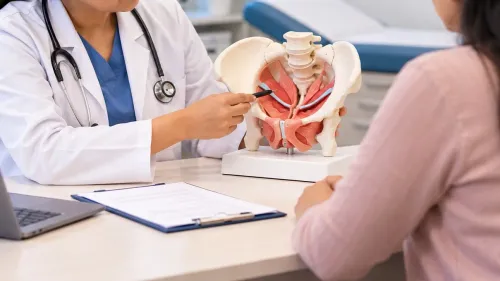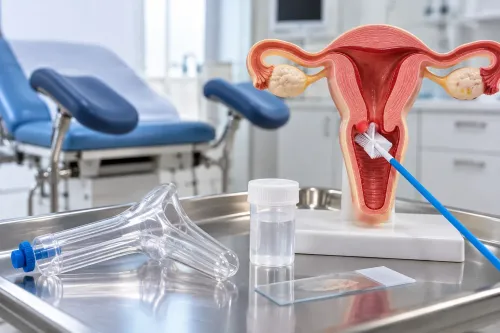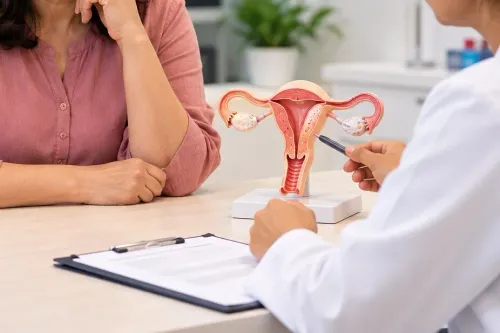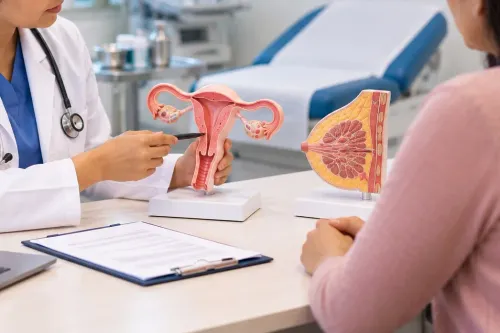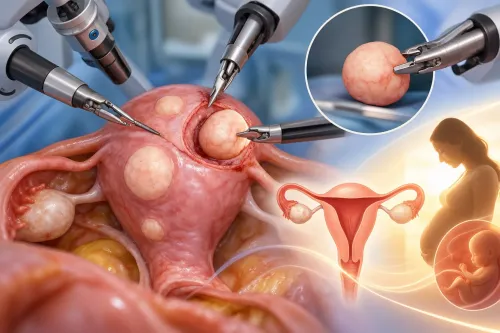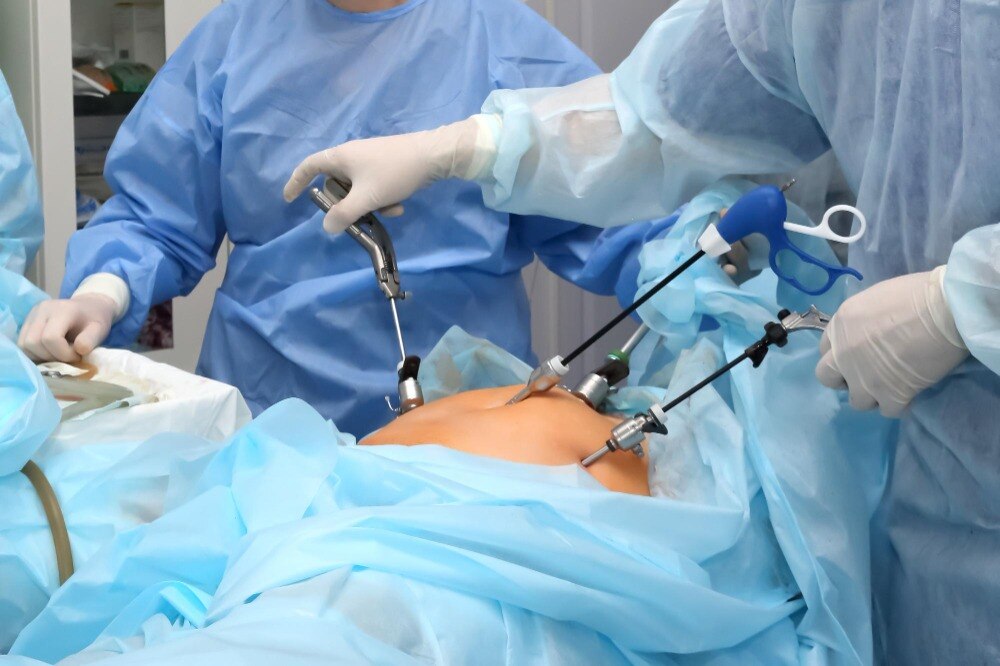
The right operation depends on where endometriosis is located, how extensive it is, and whether your priority is pain control, fertility, or both. By comparing diagnostic laparoscopy, excision, ablation, endometrioma surgery and deep endometriosis procedures, you can ask for a plan that matches your findings rather than choosing a procedure by name alone.
Key takeaways
- Match surgery to disease location, depth and organ involvement.
- Ask whether excision or ablation is safer and more complete for your lesions.
- Get deep endometriosis mapped before discussing complex surgery.
- Compare surgeon experience, hospital support and your recovery plan.
Match the operation to the suspected type of endometriosis
The question “which laparascopy is right for endometriosis in bangalore” contains a spelling variant: the medical term is laparoscopy. The choice depends on where disease is suspected and what treatment you need, not on Bangalore alone. Transvaginal ultrasound usually comes before surgery.
If deep disease is suspected, specialist ultrasound or MRI can map the bowel, bladder, ureter or pelvic sidewall. A normal scan does not rule out superficial endometriosis.
| Option | What it means | When it applies |
|---|---|---|
| Diagnostic laparoscopy | Inspects the pelvis and may take biopsies | Unclear diagnosis after assessment, when surgery is justified |
| Operative excision | Cuts out visible implants | Superficial or accessible lesions where removal is planned |
| Ablation or vaporisation | Destroys the surface of superficial implants | Selected superficial disease; it does not replace mapping deep lesions |
| Endometrioma surgery | Treats an ovarian cyst, often with cystectomy; drainage alone can recur | Painful, enlarging, suspicious or fertility-relevant ovarian cysts |
| Advanced deep-disease surgery | Treats disease involving organs or difficult pelvic sites | Suspected bowel, bladder, ureter or pelvic-sidewall involvement |
Diagnosis and treatment can happen in one operation when the findings are reasonably anticipated, you have given informed consent for the planned procedures, and the team can perform them safely. Ask in advance whether the surgeon will excise, ablate or use both, and how ovarian tissue and fertility goals will affect the plan.
Excision, ablation or ovarian surgery: what changes the decision
For superficial peritoneal lesions, excision cuts out the implant, while ablation or vaporisation destroys its visible surface. Neither technique is universally superior for every pain or fertility outcome; the choice depends on lesion depth, location, disease extent, surgeon skill and the purpose of surgery.
| Option | What it does | What changes the choice |
|---|---|---|
| Excision | Removes the lesion for inspection and tissue diagnosis | Deep, thick or atypical lesions; proximity to important structures; surgeon’s experience |
| Ablation or vaporisation | Destroys the lesion’s surface without cutting it out | Thin, superficial disease where treating nearby tissue can be done safely |
| Both | Uses removal and destruction in the same operation | Mixed-depth or widespread disease requiring different approaches |
Before laparoscopic surgery for endometriosis, ask for a written plan stating whether the surgeon will excise, ablate, vaporise or combine techniques. It should name the suspected sites and explain what will happen if disease is deeper than expected.
An ovarian endometrioma is a separate decision from a superficial implant. If surgery is necessary, cystectomy is generally preferred to simple drainage and coagulation because drainage alone commonly leads to recurrence.
Cystectomy can remove healthy ovarian tissue, so the decision should account for cyst size and appearance, pain, previous operations, both ovaries’ reserve, access to follicles for assisted reproduction and fertility timing.
Surgery is not routinely recommended solely to improve fertility before IVF. Scrutinise repeat ovarian surgery especially carefully: cumulative operations can reduce ovarian reserve and make future follicle access harder.
Deep endometriosis needs mapping before anyone discusses surgery
Suspected deep disease needs mapping before consent, not a promise to “look and treat.” Take a symptom history covering painful bowel movements, rectal bleeding, constipation, diarrhoea, painful urination, blood in the urine and flank pain.
A pelvic examination, transvaginal ultrasound and, when deep disease is suspected, specialist ultrasound or MRI can identify bowel, bladder, ureteric, vaginal or pelvic-sidewall involvement. A normal scan does not exclude superficial endometriosis.
- Ask whether the planned procedure is diagnostic only, superficial excision or ablation, ovarian surgery, or deep endometriosis surgery. Deep surgery is not simply a longer diagnostic laparoscopy: it can involve organ dissection and reconstruction.
- Ask which named colorectal, urological or other specialists will participate if disease reaches an organ. Confirm whether bowel resection, ureteric procedures, temporary stents or staged surgery could be needed.
- Request a written recovery and support plan. Diagnostic surgery usually has less recovery demand than ovarian surgery, while bowel surgery can require longer admission, dietary progression and closer monitoring.
| Option | Likely recovery and support needs |
|---|---|
| Diagnostic laparoscopy | Usually the least extensive recovery; routine observation may be sufficient |
| Superficial excision or ablation | More pelvic soreness; follow-up checks the treatment site and symptoms |
| Ovarian surgery | Recovery reflects cystectomy and the need to discuss ovarian reserve |
| Bowel surgery | Greater hospital and monitoring needs, with colorectal review and possible bowel-specific care |
For complex disease, emergency imaging, blood transfusion support, postoperative monitoring and urgent specialist access matter more than the label “keyhole surgery.”
When does laparoscopy make sense—and when should you wait?
Surgery makes sense when endometriosis is causing disabling pain despite hormonal or other medical treatment, and the expected benefit outweighs its risks.
The decision becomes stronger when imaging shows operable disease, an endometrioma has a concerning size or appearance, infertility coincides with a surgically relevant finding, organ involvement is suspected, or possible malignancy needs tissue diagnosis.
Prioritise more assessment instead of booking surgery when:
- Hormonal treatment controls your symptoms and there is no urgent fertility or diagnostic reason to operate.
- Pain exists without a lesion that surgery can correct; another pain assessment should consider adenomyosis, pelvic-floor dysfunction, bowel or bladder disorders, adhesions and central pain sensitisation.
- A major untreated anaesthetic or medical risk makes an operation unsafe.
- Deep disease is suspected but bowel, bladder, ureter or pelvic-sidewall involvement has not been mapped with appropriate imaging.
Laparoscopy treats visible pelvic disease; it does not guarantee permanent pain relief or prevent recurrence. Discuss postoperative hormonal treatment when pregnancy is not being attempted. Consent should specifically cover bleeding, infection, bowel, bladder, ureter or other organ injury, blood-vessel injury, anaesthetic complications, thromboembolism and conversion to open surgery.
Extensive disease, distorted anatomy or planned bowel or urinary-tract procedures increase operative complexity.
How to compare an endometriosis surgeon and hospital in Bangalore
Choose an endometriosis surgeon in Bangalore by comparing a documented plan and team, not the phrase “laparoscopic surgeon.” Ask for suspected disease sites, the intended technique, fertility and ovarian-reserve implications, possible bowel or urinary procedures, expected hospital stay and follow-up.
Ask these questions before comparing endometriosis laparoscopy options in Bangalore:
- How often do you perform excision and deep endometriosis surgery?
- How will ultrasound, MRI or other findings map bowel, bladder, ureter and pelvic-sidewall disease?
- Which named colorectal and urological specialists would join the operation if those organs are involved?
- What postoperative monitoring, pain control, emergency review and fertility follow-up does this hospital provide?
| Check | What it tells you | What it does not prove |
|---|---|---|
| NMC Indian Medical Register entry | The doctor’s medical registration is recorded | Advanced endometriosis expertise |
| Excision and deep-disease case experience | Whether the surgeon routinely handles complex lesions | That every operation needs excision |
| Hospital emergency imaging, blood transfusion and specialist access | Whether complications can be managed promptly | A shorter recovery |
| A written operative plan | What you have consented to and what may change | Guaranteed pain relief or fertility |
Dr Rajani vaidya can be considered alongside other Bangalore providers by asking for this same specific information, rather than relying on a general claim of laparoscopic skill. Postoperative hormonal treatment is commonly discussed when pregnancy is not being attempted; surgery treats visible disease, but it is not a guaranteed cure.
Related services
Fertility-Enhancing Endoscopic Surgery Fertility-Enhancing Endoscopic Surgery For couples facing the challenges of infertility, advanced medical techniques now offer renewed hope. View service → |
Advanced Laparoscopic Surgeries Advanced Laparoscopic Surgeries Expert Minimally Invasive Surgical Care by Dr. Rajani Vaidya When it comes to surgical solutions for gynaecological conditions, patients today seek... View service → |
Frequently asked questions
Which laparoscopy is right for endometriosis in Bangalore?
The right operation depends on suspected disease location and depth. Superficial lesions, ovarian endometriomas and deep endometriosis require different planning, so imaging and examination should guide the procedure.
What is the difference between excision and ablation for endometriosis?
Excision removes endometriosis tissue, while ablation destroys its surface with energy. The decision depends on lesion depth, location, ovarian involvement and the need to protect nearby organs and ovarian tissue.
Why does deep endometriosis need mapping before surgery?
Deep disease can involve the bowel, bladder, ureters, uterosacral ligaments or vagina. Detailed ultrasound or MRI mapping helps identify affected structures and plan the appropriate surgical team and hospital resources.
When should you wait before having endometriosis laparoscopy?
Wait and seek further assessment when the diagnosis is unclear, imaging is incomplete, symptoms are manageable, fertility plans need discussion or the proposed operation does not match the suspected disease.
How should you compare an endometriosis surgeon and hospital in Bangalore?
Ask about the surgeon’s experience with excision, endometriomas and deep disease; review the imaging plan; and confirm access to anaesthesia, intensive care, colorectal or urology support when needed.