Trying to conceive can become physically and emotionally stressful when each menstrual cycle ends without pregnancy. A female infertility specialist evaluates ovulation, ovarian health, the uterine cavity, fallopian tubes and gynaecological conditions that may affect conception. Knowing when to seek help can prevent unnecessary anxiety as well as avoidable delays.
When Is an Infertility Consultation Recommended?
Women younger than 35 are generally advised to seek an evaluation after 12 months of regular, unprotected intercourse without pregnancy. For women aged 35 or above, assessment is commonly recommended after six months.
Women over 40 may benefit from an earlier evaluation because reproductive age has an important effect on egg quantity and quality.
Consultation should not necessarily be delayed for six or twelve months when there is:
- Very irregular or absent menstruation
- Severe period pain or pelvic pain
- Known endometriosis
- A previous ectopic pregnancy
- Pelvic infection or tubal surgery
- Recurrent pregnancy loss
- Fibroids or uterine abnormalities
- Previous ovarian surgery
- Cancer treatment that may affect fertility
- A known reproductive concern in either partner
What Happens During the First Appointment?
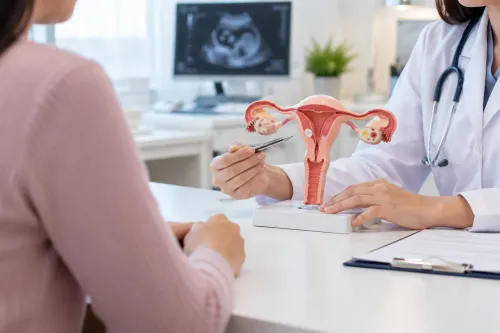
A focused consultation should explore menstrual patterns, previous pregnancies, contraception history, pelvic symptoms, operations, medicines, lifestyle factors and family history.
Women can prepare by bringing:
- Menstrual dates from recent cycles
- Previous ultrasound reports
- Blood-test results
- Operation or hospital records
- Details of earlier fertility treatment
- A list of current medicines
- The partner’s available test reports
The specialist may recommend an examination, ultrasound and selected investigations. The aim should be to identify clinically relevant factors—not to order every available fertility test without a clear purpose.
What Should a Complete Assessment Include?
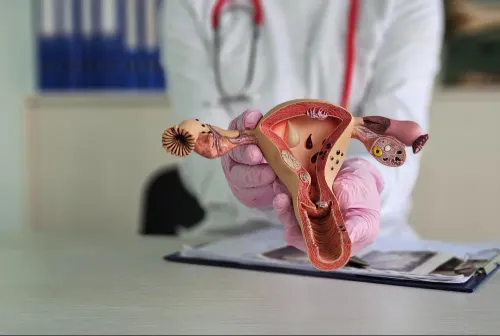
Ovulation may be assessed through menstrual history and targeted testing. Ultrasound can provide information about the uterus, uterine lining, ovaries and follicles.
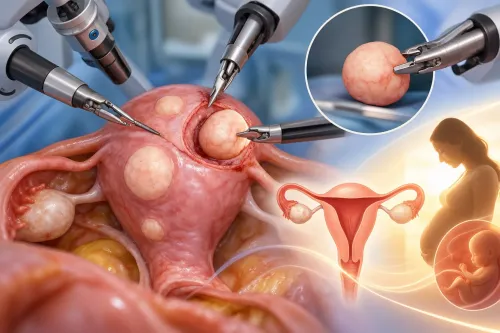
The uterine cavity and fallopian tubes may also require evaluation. Conditions such as uterine polyps, selected fibroids, endometriosis or pelvic adhesions can sometimes affect conception. However, finding one of these conditions does not automatically mean surgery is needed.
Male-factor assessment should take place alongside female evaluation. Semen analysis is frequently an important early investigation because infertility can involve either or both partners.
How Can You Evaluate a Specialist?
A useful infertility consultation should provide clear answers to questions such as:
- What factors may be affecting conception?
- Which investigations are necessary now?
- Which tests can safely wait?
- Is natural conception still reasonable?
- Could medication address the identified problem?
- Will any proposed surgery meaningfully improve fertility prospects?
- When should assisted reproductive treatment be considered?
- How will the treatment plan be reviewed?
Women should be cautious of guaranteed results, unexplained investigation packages or recommendations that completely overlook the male partner.
Finding Focused Care in Bangalore
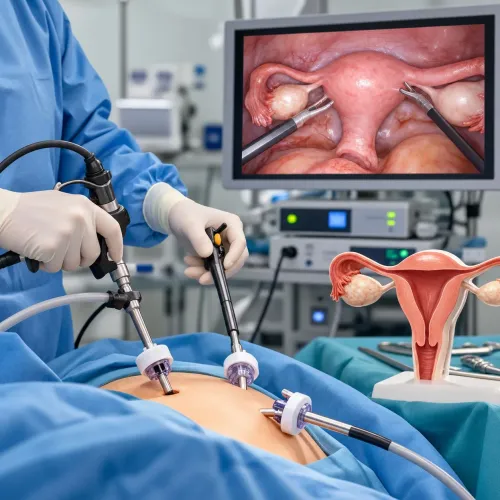
Women looking for a female infertility specialist in Bangalore can consult Dr Rajani Vaidya for an assessment of reproductive health and gynaecological conditions that may influence conception. Her experience in gynaecology and laparoscopic surgery may be relevant when uterine, ovarian or pelvic conditions require further evaluation.
Not every patient needs surgery or advanced fertility treatment. Some may require ovulation support, while others may benefit from treating a structural condition. Certain couples may need referral or coordinated treatment involving assisted reproductive technology.
The purpose of a specialist evaluation is to establish a logical diagnosis, protect reproductive time and identify the most appropriate next step. Honest communication about possibilities and limitations helps women make decisions based on evidence rather than fear, pressure or unrealistic expectations.
Keywords