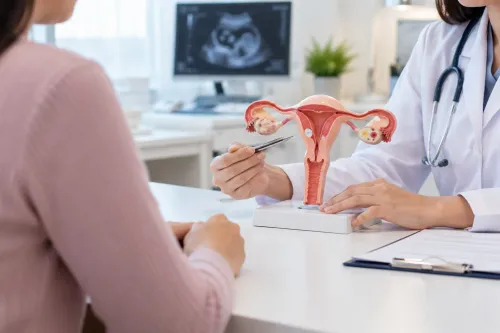
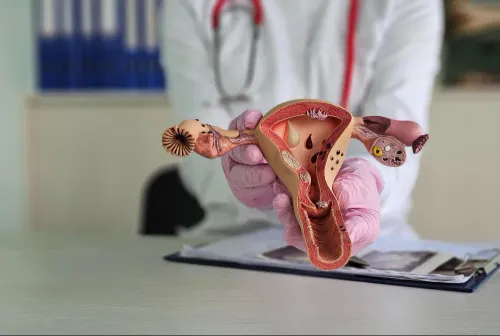
The recommendation for a hysterectomy often raises many questions. Women commonly wonder whether surgery is truly necessary, whether other treatments are available, and how the procedure might affect their future health. While a hysterectomy is a major operation, it is not the first treatment for every gynecological condition.
Modern Hysterectomy Surgery is recommended only after a thorough evaluation and when less invasive treatments are unlikely to provide lasting relief. Women throughout Bangalore and Karnataka benefit from understanding why this procedure is advised in certain situations and what recovery typically involves.
What Is a Hysterectomy?
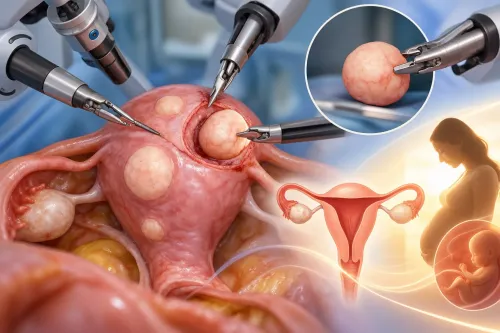
A hysterectomy is a surgical procedure that removes the uterus. Depending on the medical condition, additional structures such as the cervix, ovaries, or fallopian tubes may also be removed.
Several surgical approaches are available, including:
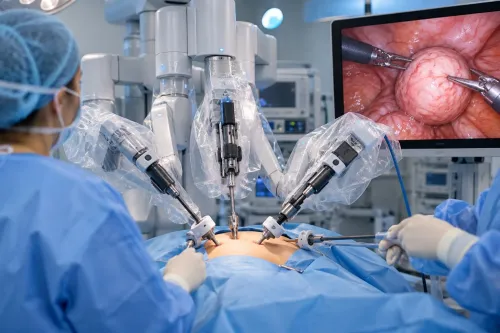
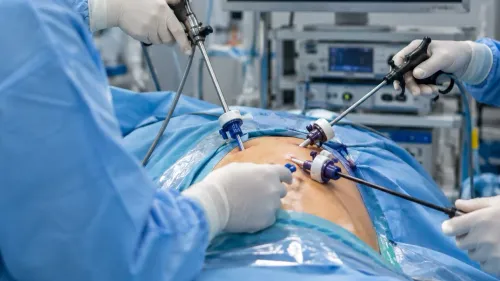
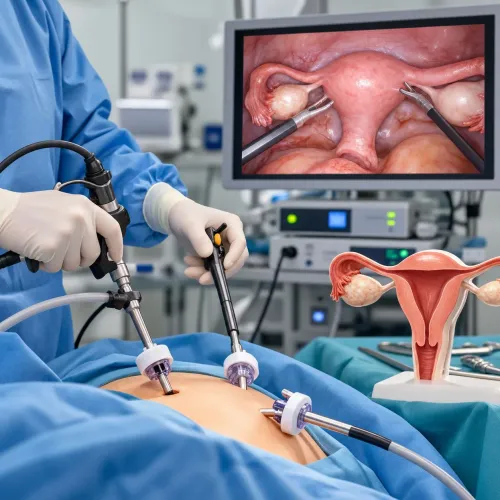
- Laparoscopic hysterectomy
- Vaginal hysterectomy
- Abdominal hysterectomy
The most suitable technique depends on the patient's diagnosis, anatomy, and overall health.
Conditions That May Require a Hysterectomy
Although many gynecological conditions can be treated without removing the uterus, surgery may become the most effective option in selected cases.
These include:
- Large symptomatic fibroids
- Severe abnormal uterine bleeding
- Advanced uterine prolapse
- Chronic pelvic pain caused by specific conditions
- Adenomyosis
- Certain precancerous conditions
- Gynecological cancers requiring surgical treatment
The decision is always individualized after discussing benefits and alternatives.
Is Surgery Always Necessary?
Not necessarily.
Depending on the diagnosis, alternatives may include:
- Medication
- Hormonal therapy
- Hysteroscopic procedures
- Myomectomy
- Endometrial ablation
- Laparoscopic treatment for selected conditions
Exploring these options helps ensure that surgery is recommended only when appropriate.
Preparing for Hysterectomy Surgery
Preparation usually includes:
- Medical examination
- Blood investigations
- Imaging studies
- Review of medications
- Discussion of anesthesia
- Explanation of recovery expectations
Patients are encouraged to ask questions about the procedure, hospital stay, and postoperative care.
Recovery After Surgery
Recovery varies depending on the surgical approach.
Many women experience:
- Gradual improvement in discomfort
- Early walking after surgery
- Temporary activity restrictions
- Scheduled follow-up visits
- Progressive return to normal daily activities
Laparoscopic hysterectomy often allows a faster recovery than open abdominal surgery.
Life After a Hysterectomy
A hysterectomy ends menstrual periods and eliminates the possibility of pregnancy.
If the ovaries are preserved, natural hormone production usually continues until menopause. When the ovaries are removed, menopausal symptoms may begin immediately, and appropriate management can be discussed with the treating gynecologist.
Most women return to their regular routines after complete recovery and report significant improvement in symptoms that previously affected their quality of life.
Questions to Discuss With Your Gynecologist
Before making a decision, ask:
- Why is hysterectomy recommended?
- Are there less invasive alternatives?
- Which surgical approach is most suitable?
- What is the expected recovery timeline?
- Will the ovaries be preserved?
- What lifestyle changes are needed after surgery?
Understanding these aspects helps women make informed healthcare decisions.
Making the Right Treatment Choice
Choosing whether to undergo hysterectomy should involve careful discussion, complete medical evaluation, and a clear understanding of all available treatment options. Women in Bangalore experiencing persistent gynecological symptoms can benefit from consulting an experienced specialist before deciding on surgery.
Dr Rajani Vaidya provides evidence-based guidance for women considering hysterectomy, helping each patient understand the benefits, alternatives, and expected outcomes based on her individual condition. More information about gynecological surgeries and women's healthcare services is available at drrajanivaidyagynecology.com.
Keywords