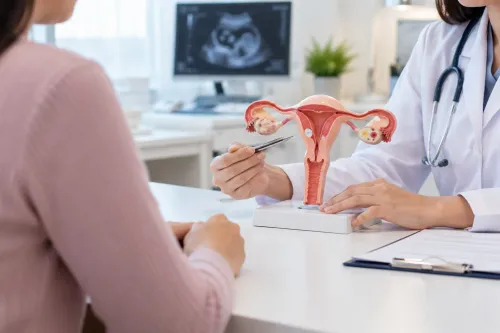
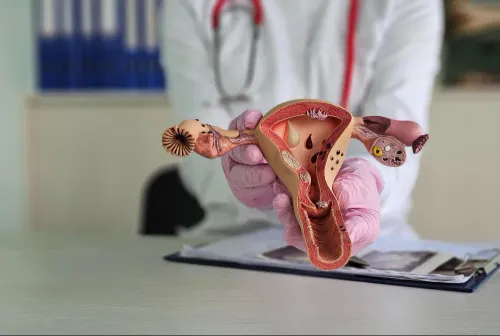
An ovarian cyst can sound alarming when first diagnosed, but most cysts are harmless and disappear naturally without requiring surgery. The challenge lies in understanding which cysts simply need monitoring and which require medical treatment.
Many ovarian cysts are found incidentally during routine pelvic scans. Others become noticeable because they cause pelvic pain, bloating, irregular periods, or discomfort during daily activities. For women in Bangalore and throughout Karnataka, knowing when to seek medical advice helps prevent unnecessary anxiety while ensuring timely care when needed.
What Is an Ovarian Cyst?
An ovarian cyst is a fluid-filled sac that develops on or inside an ovary. Women may develop one or more cysts during their reproductive years.
Most ovarian cysts are functional cysts that form during the normal menstrual cycle and usually disappear within a few months.
Other types include:
- Dermoid cysts
- Endometriomas
- Cystadenomas
- Hemorrhagic cysts
- Polycystic ovaries associated with hormonal conditions
Each type has different characteristics and requires an individualized evaluation.
Common Symptoms
Many ovarian cysts cause no symptoms at all.
When symptoms occur, they may include:
- Pelvic pain
- Lower abdominal discomfort
- Bloating
- Pain during intercourse
- Irregular menstrual cycles
- Feeling of fullness
- Frequent urination due to pressure
Large cysts are more likely to produce noticeable symptoms.
Why Do Ovarian Cysts Develop?
Several factors contribute to cyst formation.
These include:
- Normal ovulation
- Hormonal imbalance
- Pregnancy
- Endometriosis
- Previous ovarian cysts
- Certain fertility medications
Most cysts are not caused by lifestyle choices and should not be viewed as a sign of poor health.
How Are Ovarian Cysts Diagnosed?
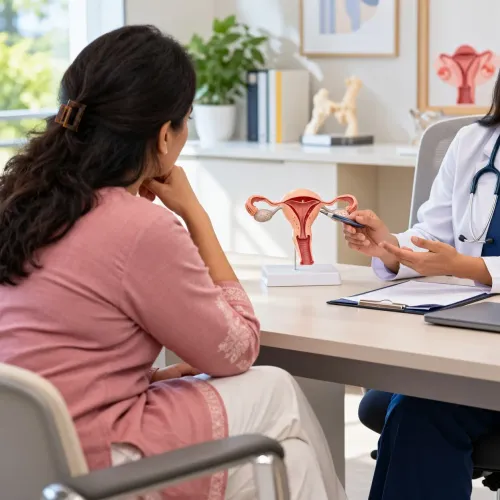
Evaluation typically starts with a medical history and physical examination.
Investigations may include:
- Pelvic ultrasound
- Transvaginal ultrasound
- Blood investigations
- MRI when additional detail is required
- Pregnancy testing in selected cases
These tests help determine the cyst's size, appearance, and likelihood of resolving naturally.
When Is Ovarian Cyst Treatment Necessary?
Not every ovarian cyst requires intervention.
Treatment may be recommended if:
- The cyst continues growing
- Pain becomes persistent
- The cyst appears suspicious on imaging
- Menstrual problems become severe
- Fertility is affected
- Complications such as ovarian torsion or rupture are suspected
Early evaluation reduces the risk of emergency situations.
Treatment Options
The best treatment depends on age, symptoms, cyst size, and ultrasound findings.
Careful Monitoring
Many functional cysts disappear without treatment. Repeat ultrasound scans are often sufficient.
Medication
Hormonal medication may help regulate menstrual cycles or reduce the formation of new functional cysts.
Pain-relieving medication can also improve comfort while the cyst is monitored.
Minimally Invasive Surgery
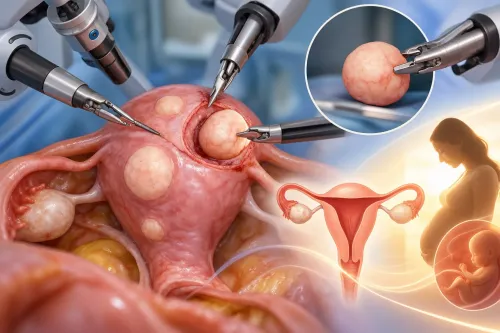
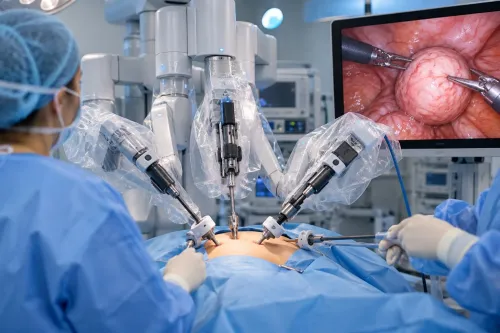
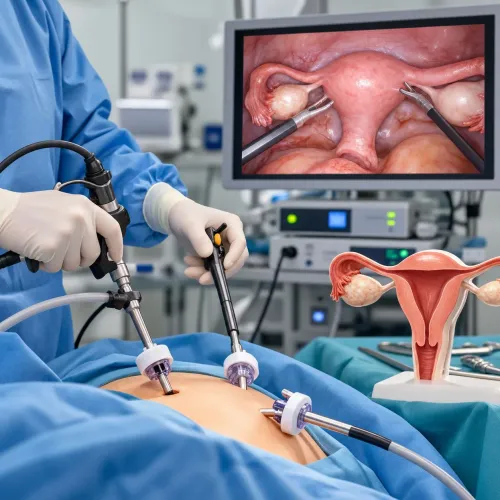
Persistent or symptomatic cysts may be removed using laparoscopic surgery. This technique involves small incisions and generally allows faster recovery compared with traditional open surgery.
Whenever appropriate, surgeons aim to preserve healthy ovarian tissue, especially in women planning future pregnancies.
Can Ovarian Cysts Affect Fertility?
Most ovarian cysts do not reduce fertility.
However, certain conditions, particularly endometriosis-related cysts, may influence reproductive health. Timely assessment allows appropriate planning before pregnancy.
Women undergoing infertility evaluation often receive ovarian imaging as part of their overall reproductive assessment.
Red Flags That Require Immediate Medical Attention
Seek urgent medical care if you experience:
- Sudden severe pelvic pain
- Fever with pelvic pain
- Vomiting accompanied by abdominal pain
- Fainting
- Rapid abdominal swelling
These symptoms could indicate complications requiring emergency treatment.
Supporting Ovarian Health
Although ovarian cysts cannot always be prevented, maintaining regular gynecological check-ups helps detect changes early.
Healthy habits include:
- Balanced nutrition
- Regular exercise
- Weight management
- Monitoring menstrual changes
- Following recommended follow-up appointments
Women should also avoid ignoring recurring pelvic discomfort, even if symptoms seem mild.
For women in Bangalore looking for evidence-based guidance, consulting an experienced gynecologist can provide reassurance and a personalized treatment plan. Clinics such as Dr Rajani Vaidya's practice focus on careful diagnosis and treatment decisions based on each patient's symptoms, reproductive goals, and overall health. Educational resources available through drrajanivaidyagynecology.com can also help patients better understand ovarian health before their consultation.
Keywords